

How to Measure Windows Correctly for Block-Out Blinds
Block-out blinds change how a room wakes you up in the early morning, soften harsh afternoon glare and create a sense of privacy. But even the best blind will disappoint if the measurements are off. Too narrow and light creeps in at the edges, too wide, and the fit feels clumsy.
Measuring for block-out blinds is not difficult, but it does require some care. A few minutes with a tape measure and a pencil are all it takes to get it right the first time.
Start With One Decision – Inside or Outside Recess
Before you measure anything, decide how the blinds will sit. This choice affects every number that follows.
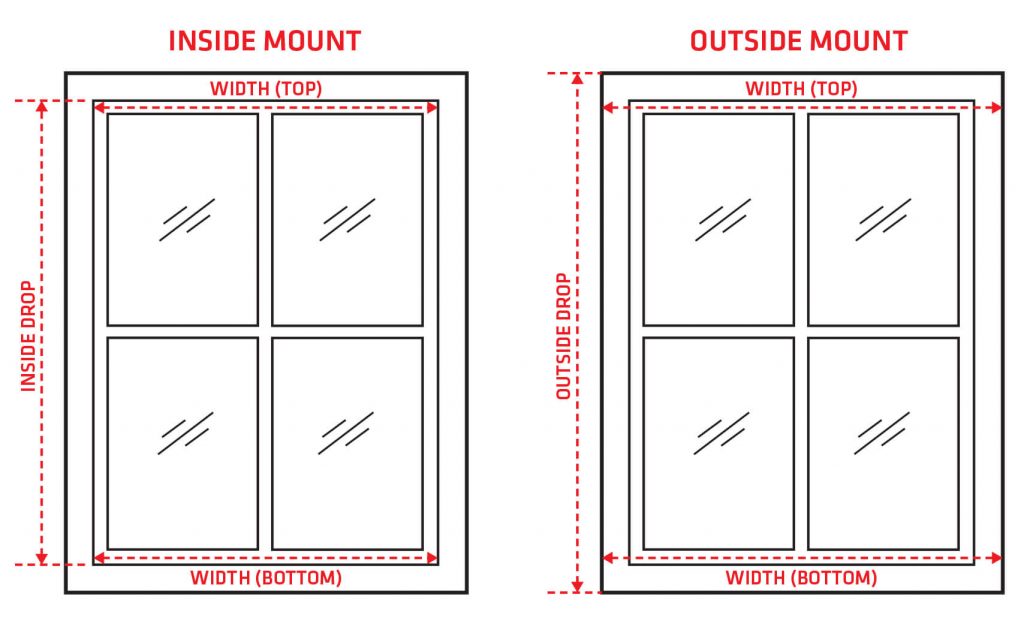
An inside recess fit sits neatly within the window frame. This fit offers a tailored look and works best when the recess is deep and square. An outside recess fit mounts above or around the window, covering the frame entirely while blocking more light at the edges.
If you want maximum darkness, outside recess is usually the stronger option. If you prefer a streamlined finish that keeps the wall line clear, inside recess often wins.
Measuring for an Inside Recess Fit
Inside recess measurements need precision. Window frames are rarely perfectly square, even in newer homes, so never rely on a single measurement.
Measure the width of the recess at the top, middle and bottom. Use the narrowest of the three figures, as the blind must fit comfortably within the tightest point. For height, measure on the left, centre and right, then again use the shortest measurement.
Do not add extra millimetres “just in case”. Roller blinds are manufactured to your specifications, and even a small overestimate can stop the blind from fitting properly.
It also helps to check the depth of the recess. Some block-out mechanisms require a minimum depth to sit flush, especially if you want the blind hidden neatly inside the frame without protruding.
Measuring for an Outside Recess Fit
Outside recess measurements allow for more flexibility and often deliver better light control. Instead of fitting inside the frame, the blind overlaps it.
Start by measuring the full width of the window, including the frame. Then decide how much extra coverage you want on each side. As a general guide, adding 50 to 100 millimetres on both the left and right helps block light bleed while creating a balanced look.
For height, measure from where you want the blind to start, usually just above the window frame, down to where you want it to finish. This might be the sill, just below it or all the way to the floor for a more dramatic effect.
Thinking visually helps here. Step back and imagine how the blind will fall against the wall, not just on the window. Well-fitted custom-made blinds create a cleaner, more polished finish and help block-out blinds look intentional within a room.
Don’t Forget Obstructions and Details
Small details, including window handles and security bars, can affect how a blind operates. Check whether handles stick out far enough to interfere with the fabric when the blind is lowered. If they do, an outside recess fit or additional spacing brackets may be necessary.
Using a proper window measuring guide can also help you identify small installation issues before ordering your blinds.
Double-Check and Then Check Again
Once you have your measurements, pause to read them back and measure again. This second pass often catches small errors caused by a tilted tape or a rushed glance.
Write measurements clearly and label each window, especially if you are measuring more than one room. “Bedroom left window” is far more helpful than “1200 x 1500”.
How Accurate is Measuring Changes in a Room
A block-out blind that fits properly improves sleep and creates calm in busy households. It also looks intentional, aligning cleanly with frames and walls without hovering awkwardly between them.
When blinds are fitted correctly, they fade into the design while still remaining functional in the background.
When to Ask for Help
If a window is unusually shaped, set into a bay or paired with sliding doors, professional measuring can save time and stress. Many suppliers offer this service, and it often pays for itself by avoiding costly remakes.
That said, for standard windows, careful DIY measuring is more than sufficient. The requirement is patience and respect for the process.
Measure With Confidence
Measuring windows correctly for block-out blinds requires you to take your time and be deliberate. Measure in multiple places and account for real-world details, and trust the smallest accurate number.
Get this step right, and everything else follows smoothly: the blind fits and light disappears when you want it to.

