What Are Block-Out Blinds and How Do They Work?

Light wakes us gently in the morning, sets the mood in the evening, and sometimes refuses to cooperate when all you want is darkness and calm.

To this end, block-out blinds are designed to dramatically reduce incoming light. These blinds help create privacy and give you greater control over how each room is used throughout the day.

Understanding how block-out blinds work makes choosing the right solution far easier, from setting up a peaceful bedroom to a living area that stays cool in summer.


What Exactly Are Block-Out Blinds?

Block-out blinds are window coverings made from specially engineered materials that prevent light from passing through the fabric itself. Unlike light-filtering blinds that soften daylight, block-out options are built to stop it almost entirely.

The fabric is usually tightly woven or layered, often with a coated backing that blocks light at a structural level. This means the fabric does the heavy lifting, while the blind’s design helps limit light escaping around the edges.

The result is a darker, more controlled interior that feels intentional. They are commonly used in bedrooms, nurseries and media rooms, although they are just as valuable in workspaces where screen glare can disrupt focus.


How Do Block-Out Blinds Work?

The effectiveness of block-out blinds comes down to a combination of material, fit and installation.

Starting with the fabric, block-out materials are dense and opaque, which stops sunlight from penetrating the blind itself. Many include an acrylic or foam backing that improves light resistance while also adding insulation benefits.

Fit plays an equally important role. A blind that sits snugly within or over the window frame reduces the gaps where light can creep in. Recess-fitted blinds offer a neat finish, while face-fitted options extend beyond the window frame to improve coverage.

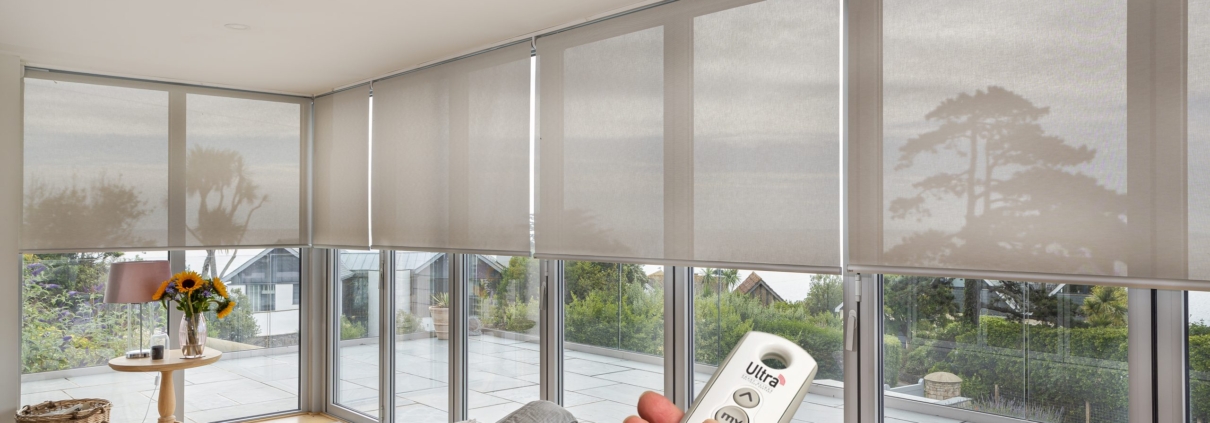
Installation brings it all together. When the blind is properly aligned and securely mounted, it works as a cohesive barrier. Not only does this block light more effectively but it also improves the blind’s longevity and daily usability. Professionally installed motorised blinds can further enhance convenience by allowing homeowners to adjust lighting levels effortlessly throughout the day.


Types of Block-Out Blinds

Block-out functionality is available across several blind styles, and each offers a slightly different look and feel.

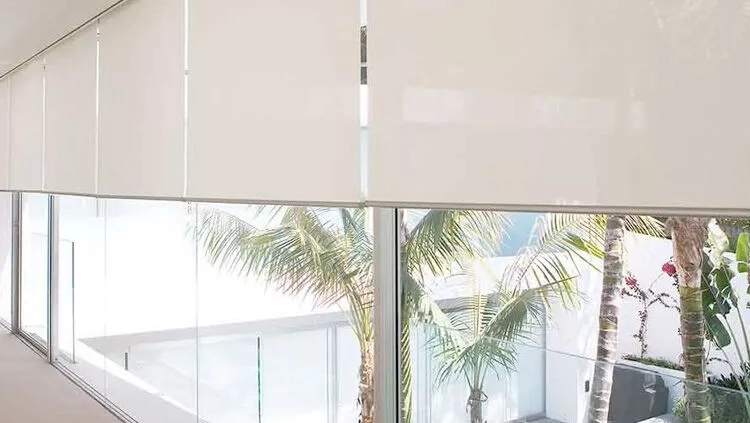
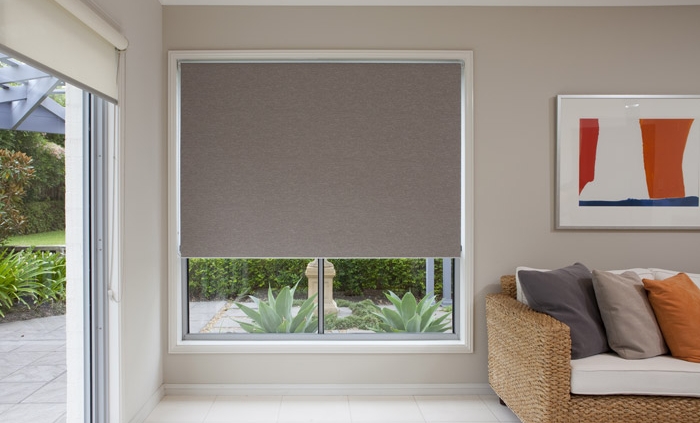
Roller blinds are the most popular choice thanks to their clean lines and ease of use. The fabric rolls neatly away when not in use, which keeps the window feeling uncluttered while still delivering excellent light control.

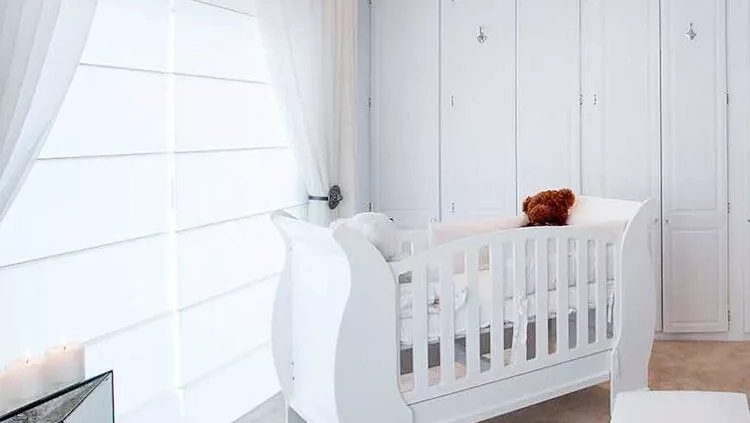
Roman blinds bring a softer, more decorative touch. When raised, they fold into gentle pleats, combining strong light control with a tailored aesthetic.

Honeycomb or cellular blinds use a layered structure that traps air while blocking light. This design not only darkens a room but also improves thermal efficiency.

Vertical blinds, often used on large windows or sliding doors, can also be made with block-out fabric. These options offer flexibility and scale well in open-plan spaces.


Benefits Beyond Blocking Light

While darkness is the headline feature, block-out blinds deliver a range of additional benefits that affect the performance of a space.

They increase privacy, especially in bedrooms and street-facing rooms where visibility is a concern. They help regulate temperature by reducing heat gain in summer while retaining warmth in winter. Block-out blinds also support better sleep by creating an environment that aligns with natural rest cycles, while research around sleep health and light exposure continues to highlight the importance of reducing artificial and external light during rest

Block-out blinds in work and media spaces reduce glare and distractions, which makes screens easier to view and concentration easier to maintain. Over time, this small adjustment can have a noticeable impact on comfort and productivity.


Where Block-Out Blinds Work Best

Block-out blinds come into their own in rooms where light control matters most. Bedrooms and nurseries benefit from consistent darkness, especially for shift workers or young children with early bedtimes.

Home offices gain from reduced glare and a calmer atmosphere, while TV rooms and home cinemas feel more immersive when external light is kept at bay.

They are also useful in guest rooms, offering flexibility for visitors with different sleep habits and preferences.


Choosing the Right Block-Out Blind

Selecting the right block-out blind starts with understanding how the room is used and how much light control you need. Consider the window size, the direction it faces and the level of insulation you want to achieve.

While darker shades naturally absorb light, modern block-out fabrics perform well across a wide colour range, which means you do not have to sacrifice style for function.

Professional measuring and installation can make a noticeable difference, which sees that the blind fits properly and performs as intended over time.


A Smarter Way to Craft Your Space

Block-out blinds influence how a room feels and functions to support daily life. By combining advanced materials with thoughtful design, they give you control over light, privacy, and comfort in a way that feels seamless.

When chosen well, block-out blinds fade into the background while making a powerful difference to how you experience your home or workspace every day. Whether you are exploring premium roller blinds or browsing stylish blinds for sale, the right window covering can completely transform the atmosphere of your interior space.
Motorised Blinds in Johannesburg & Cape Town

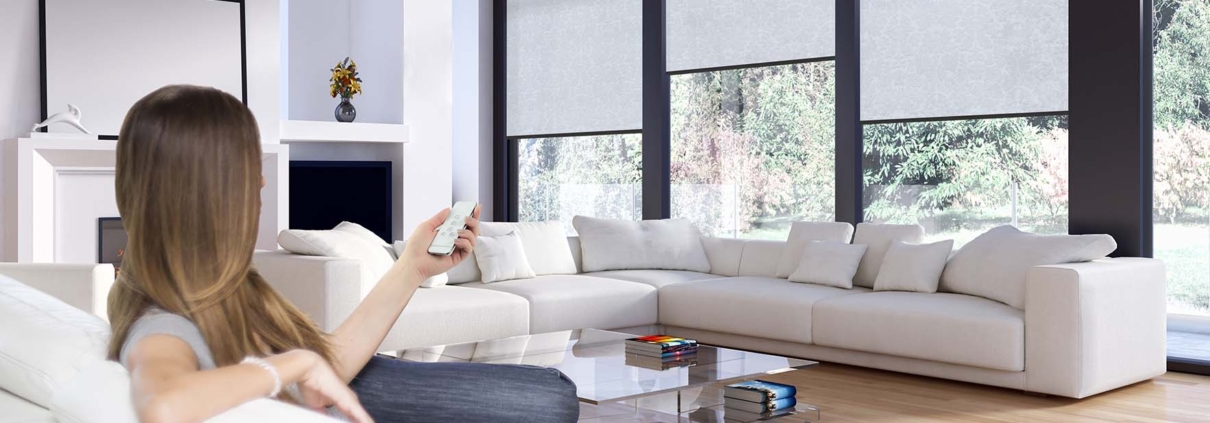
Motorised blinds are window coverings fitted with a built-in motor that opens and closes them automatically, controlled by a remote, wall switch, smartphone app or voice assistant. House of Supreme designs and installs custom motorised blind systems across Johannesburg and Cape Town.

No cords, no manual adjustments. Just precise, quiet control at any time of day.


What Are Motorised Blinds?

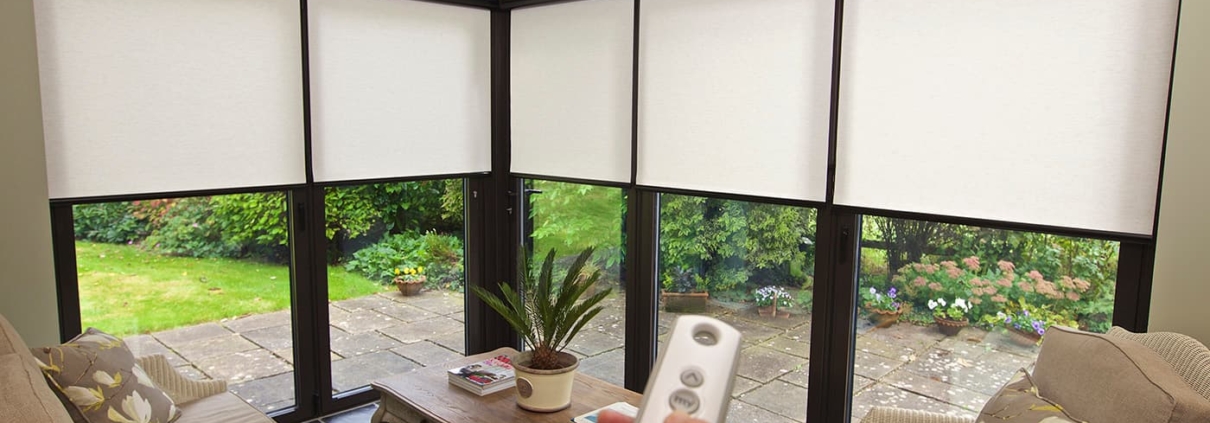
Motorised blinds replace the manual cord or chain with a small integrated motor. The motor raises and lowers the blind on command, or on a schedule you set in advance. They can be programmed to respond to sunrise, sunset or specific times, adjusting to changing light without you needing to be in the room.

They’re particularly practical for hard-to-reach windows, large glass panels and homes where multiple blinds need adjusting at the same time.


Why Motorised Blinds Work Well in Modern South African Homes

South African homes often feature large windows, open-plan layouts and strong natural light year-round. That’s a lot to manage manually, especially across multiple rooms or floor-to-ceiling glass.

Motorised blinds let you respond to those conditions instantly. Lower them during the hottest part of the day to cut heat. Raise them in the evening without getting up. Programme them to manage light automatically while you’re at work.

There’s a security angle too. Scheduled movement creates the appearance of occupancy when you’re away from home, which matters in a South African context where home security is a real daily concern.


How Do Motorised Blinds Work?

The motor is powered either by a rechargeable battery or a wired connection. Battery systems are easier to install and work during load shedding. Wired systems are more reliable for permanent large-scale installations.

As of 2026, control options for motorised blinds in South Africa include:

Control Type How It Works Best For
Handheld remote Dedicated remote raises and lowers blinds Simple, reliable, no smartphone needed
Wall-mounted switch Fixed switch operates like a light switch Clean finish, great for high-traffic rooms
Smartphone app Control via app from anywhere Remote access, scheduling, away-from-home use
Voice assistant Works with Google Home, Alexa, Apple HomeKit Smart home integration
Automated scheduling Blinds open and close at set times Energy efficiency, security simulation

Systems like Somfy are commonly used for residential motorised blind installations across South Africa and integrate with most major smart home platforms.


Motorised vs Manual Blinds – Are They Worth It?

The case for motorised blinds depends on your home and how you use it.

Motorised Blinds Manual Blinds
Upfront cost Higher Lower
Convenience High – one button or voice control Requires physical adjustment
Large windows Ideal Awkward and impractical
Smart home integration Yes No
Load shedding Battery systems continue working Unaffected
Best for Multiple windows, high ceilings, open-plan Single windows, occasional use

Manual blinds are a good fit for smaller spaces or rooms where adjustment is infrequent. For open-plan homes with large windows, or anywhere that manual adjustment becomes a daily inconvenience, motorised systems make practical sense.


What Types of Blinds Can Be Motorised?

Most modern blind types can be fitted with a motor. The most common options at House of Supreme include:

·       Roller blinds – the most popular choice for motorisation, clean and minimal

·       Sheerweave blinds – solar screen fabric with automated heat and glare control

·       Roman blinds – fabric folds with motorised lift for a softer, more decorative finish

·       Outdoor shading systems – motorised for patios and entertainment areas exposed to weather


This means you can add automation where it matters most without changing the look of your blinds.


Where Can Motorised Blinds Be Installed?

Motorised blinds suit most spaces, but they make the biggest difference in:

·       Living rooms and open-plan areas – manage light across large windows without moving around

·       Bedrooms – set schedules so blinds open at a specific time in the morning

·       Home offices – adjust screen glare quickly without interrupting work

·       High-ceiling rooms – reach windows that are impractical to adjust by hand

·       Entertainment areas and patios – outdoor motorised shading for weather and sun control

·       Commercial spaces – manage glare and comfort across multiple windows simultaneously


Every installation is custom-made to fit the specific opening.


How Much Do Motorised Blinds Cost in South Africa?

Pricing depends on the window size, fabric type and motorisation system. Battery-powered systems cost less upfront. Fully integrated smart home systems with app and voice control sit at the higher end.

Additional features like scheduling, remote access and multi-blind grouping add to the cost but also to the daily practicality of the system. House of Supreme provides personal quotes based on your space and the level of automation you want.

The upfront investment is higher than manual blinds. The convenience, energy savings and security benefits make that gap smaller over time.


Why Choose House of Supreme?

House of Supreme has been manufacturing and installing custom window solutions in South Africa since 1999 – over 25 years of local production. Every motorised blind is built to fit your specific opening and tested for smooth, quiet operation before installation is signed off.

The team guides you through system selection, whether that’s a basic remote setup or full smart home integration. Professional installation means the motor, controls and blind fabric all work together correctly from day one.


Do You Install Motorised Blinds in Johannesburg and Cape Town?

Yes. House of Supreme supplies and installs motorised blinds across both cities and surrounding areas. The process covers consultation, accurate measurement, system selection and professional installation.


Frequently Asked Questions


Are motorised blinds worth the investment?

For homes with large windows, high ceilings or multiple rooms that need regular adjustment, yes. The convenience of one-touch or scheduled control adds up quickly in daily use.

Combined with energy savings from better heat management and the security benefit of scheduled movement when you’re away, the long-term case is strong for most modern South African homes.


Can motorised blinds work during load shedding?

Battery-powered systems continue operating normally during load shedding because they don’t rely on mains power.

Wired systems will stop working when power is out unless they’re connected to a backup power source. If load shedding is a regular concern, battery-powered motors are the more practical choice for South African homes.


Can I control motorised blinds with my phone?

Yes, most systems offer app-based control through a smartphone, which also allows remote access when you’re away from home. Many systems integrate with Google Home, Amazon Alexa and Apple HomeKit for voice control.

The specific app depends on the motor brand installed, so it’s worth confirming compatibility with your existing smart home setup before purchasing.


Are motorised blinds difficult to maintain?

No. The motor itself is built for long-term use and rarely needs attention if the system is installed correctly. Battery-powered motors need recharging periodically, usually every few months depending on usage.

The blind fabric is maintained the same way as any other blind. An occasional check of the track and mechanism is all that’s typically needed.


Can existing blinds be motorised?

Sometimes. It depends on the type of blind and the condition of the existing system. Some roller blind tracks can be retrofitted with a compatible motor without replacing the full blind.

Others need a new installation. House of Supreme can assess your current setup and advise whether retrofitting is practical or whether a new system is the better route.

Roman Blinds for Sale in Johannesburg & Cape Town

House of Supreme designs and installs custom Roman blinds across Johannesburg and Cape Town. Roman blinds are fabric window coverings that fold into neat horizontal pleats when raised, giving you a structured, tailored finish that sits cleanly within the window frame.

They’re not curtains. They’re not roller blinds. They sit between the two – softer than a roller blind, more compact than a curtain – and they work across a wide range of interior styles.


What Are Roman Blinds?

Roman blinds fold upward into even horizontal pleats as they’re raised and drop back to full coverage when lowered. When open, they stack neatly at the top and let maximum light in. When closed, they cover the full window for privacy, light control and insulation.

That combination of clean structure and soft fabric is why they’ve stayed popular. They look considered without being fussy.


Why Roman Blinds Work Well in South African Homes

South African homes need window coverings that handle strong sunlight without making rooms feel dark or closed off. Roman blinds do that well, because the fabric and lining options give you real control over how much light comes through.

Blockout linings keep bedrooms dark for better sleep. Light-filtering fabrics let soft natural light into living areas without harsh glare. Either way, the blind adds a layer of insulation too, keeping rooms cooler in summer and warmer in winter. That matters in a climate where both extremes are part of the year.


What Types of Roman Blinds Can You Choose?

As of 2026, House of Supreme manufactures three main Roman blind styles, each with a distinct look and suited to different interiors.

Style Appearance Best For
Flat Roman Blinds Smooth, clean surface when lowered Modern and minimalist interiors
Hobbled Roman Blinds Soft looped folds even when fully lowered Rooms where texture and depth matter
Relaxed Roman Blinds Gentle curve at the bottom hem Living rooms and bedrooms with a casual feel

Each style is available in a wide range of fabric blinds options – colours, textures and lining types – so the blind can be matched to your space rather than the other way around.


Roman Blinds vs Curtains – Which Is Better?

The right choice depends on the room and what you need the window covering to do.

Roman Blinds Curtains
Space needed Sits within the window frame Requires wall space on either side
Look Structured, tailored, compact Soft, flowing, layered
Best for Smaller rooms, clean aesthetics Larger rooms, dramatic effect
Light control Good, especially with blockout lining Good, depending on fabric weight
Custom sizing Yes, made to measure Yes, but harder to fit unusual windows

If the room is small or you want a clean finish without bulk, Roman blinds are the practical choice. Curtains suit spaces where a softer, more layered look is the goal.


Where Can Roman Blinds Be Installed?

Roman blinds work in most rooms. A few common applications:

·       Bedrooms – paired with block-out blinds lining for full light control and privacy

·       Living rooms – light-filtering fabric creates a warm atmosphere without blocking natural light

·       Dining rooms – adds softness and colour without the bulk of floor-length curtains

·       Home offices – controls glare on screens while keeping the room feeling open

·       Smaller spaces – compact profile means they don’t overwhelm a window or eat into the room


Because they’re made to measure, they fit standard and non-standard window sizes consistently throughout a home.


How Much Do Roman Blinds Cost in South Africa?

Pricing depends on window size, fabric choice and lining type. Premium fabrics and blockout linings push the cost up. Simpler fabrics on standard window sizes are the most affordable option.

House of Supreme provides personal quotes based on your specific windows rather than fixed price lists. Roman blinds cost more than off-the-shelf options, but the tailored fit and quality fabric mean they last considerably longer and look better doing it.


Why Choose House of Supreme?

House of Supreme has been manufacturing and installing custom window solutions in South Africa since 1999 – over 25 years of locally produced work. The team handles consultation, fabric selection and installation, not just the product delivery.

Every Roman blind is built to fit your specific opening. The focus on quality materials and professional installation means the blinds function correctly from day one and hold up over time. House of Supreme is also a proud affiliate member of the South African Institute of Architects (SAIA), a standard that speaks to the quality of workmanship across their product range.


Do You Install Roman Blinds in Johannesburg and Cape Town?

Yes. House of Supreme supplies and installs Roman blinds across both cities and surrounding areas. The process covers an initial consultation, accurate measurement and professional installation from start to finish.


Frequently Asked Questions


Are Roman blinds suitable for bedrooms?

Yes, particularly with a blockout lining. Blockout Roman blinds cut out light effectively, which matters for sleep quality and shift workers or young children who need a dark room during daylight hours.

The structured fold means the blind sits flat against the window when closed, reducing light gaps around the edges better than most curtain options.


Do Roman blinds help with insulation?

Yes. The fabric layer creates a barrier between the window and the room, which slows heat transfer in both directions. In summer that means cooler rooms with less reliance on air conditioning. In winter it helps retain warmth.

The thicker the fabric and lining, the greater the insulating effect – blockout linings offer the most insulation of all the options.


Can Roman blinds be customised with different fabrics?

Yes. House of Supreme offers Roman blinds in a wide range of fabrics, colours, textures and lining types. The fabric you choose affects not just the look but also how much light the blind filters and how much insulation it provides.

The team can guide you through the options based on the room, its sun exposure and the finish you’re after.


Are Roman blinds easy to maintain?

Mostly yes. Light dusting and an occasional gentle wipe keeps most fabrics in good shape. Some fabrics are dry-clean only, so it’s worth checking the care requirements before you choose.

Blockout linings are generally straightforward to clean. The mechanism itself rarely needs attention if the blind is installed correctly and operated as intended.


Are Roman blinds better than roller blinds?

For rooms where softness and a decorative finish matter, yes. Roman blinds have a fabric quality and folded structure that roller blinds don’t replicate. Roller blinds are cleaner and more minimal, which suits some spaces better.

The practical difference comes down to what the room needs. Structure and texture favour Roman blinds, minimal and modern settings often suit a roller blind better.

Sheerweave Blinds in Johannesburg & Cape Town

House of Supreme designs and installs custom Sheerweave blinds across Johannesburg and Cape Town. These are solar screen blinds built for South African conditions, where strong sun and rising indoor temperatures aren’t seasonal, they’re year-round.

They filter heat and glare rather than blocking light completely. You keep your view, your room stays cooler and your furniture stops fading. That’s the practical case for them in one sentence.


What Are Sheerweave Blinds?

Sheerweave blinds are made from a specialised woven mesh fabric that filters sunlight rather than eliminating it. Natural light still enters the room. Glare and heat don’t come with it.

Unlike traditional blinds, they maintain outward visibility during the day. So you can see out without anyone easily seeing in. It’s a clean, modern solution that works in both residential and commercial spaces.


Why Sheerweave Blinds Work Well in South African Homes

South African homes need more from their window coverings. Long summers, intense UV exposure and open-plan layouts all push heat into living spaces in a way that standard blinds don’t address.

Sheerweave blinds are built for this. They block up to 95% of harmful UV rays while reflecting heat away from the glass. That keeps interiors cooler, protects furniture and flooring from fading, and reduces the load on air conditioning. Lower energy costs over time is a real outcome, not a marketing claim.

The result is a home that stays comfortable through summer without feeling closed off.


How Do Sheerweave Blinds Work?

The key is the openness factor, a measure of how tightly the mesh is woven. As of 2026, most Sheerweave fabrics are available in three openness levels:

Openness Factor Heat and Glare Reduction Outward Visibility Best For
1–3% Highest Limited South-facing windows, intense sun exposure
5–7% Moderate Good Living rooms, offices, most residential use
10–14% Low Excellent Mild sun, views are the priority

A tighter weave blocks more. A more open weave preserves the view. The right choice depends on which direction your windows face and how much direct sun they receive.


Sheerweave vs Roller Blinds – What’s the Difference?

Sheerweave blinds are technically a type of roller blind, but the fabric does something very different.

Sheerweave Blinds Standard Roller Blinds
Primary function Filter heat and glare, preserve view Control light levels
Visibility Clear outward view during the day Translucent to opaque depending on fabric
UV protection Up to 95% UV block Varies widely by fabric
Best for Living areas, offices, sun-facing rooms General use, any room
Total blackout No Available with blockout fabric

If total darkness is what you need, a block-out blind is the better fit. If you want heat and glare control without losing your view or the feel of natural light, Sheerweave is the stronger option.


Where Can Sheerweave Blinds Be Installed?

Sheerweave blinds suit a wide range of spaces:

  • Living rooms and dining areas – Reduce afternoon glare without darkening the room
  • Home offices and workspaces – Cut screen glare while keeping natural light present
  • Kitchens – Manage heat from east or west-facing windows without heavy coverings
  • Sun-facing bedrooms – Filter morning or evening light without full blackout
  • Covered patios and enclosed outdoor areas – Specially treated Sheerweave fabrics handle wind and heat while maintaining airflow


They’re not suited to rooms where complete darkness is needed. For those, blockout or block-out options are the practical choice.


How Much Do Sheerweave Blinds Cost in South Africa?

Pricing depends on the window size, the fabric openness factor you choose and whether you opt for a motorised system. Larger windows and motorised fittings push the cost up. A standard manually operated installation is the most affordable entry point.

Because every blind is made to measure, House of Supreme provides personal quotes based on your space. The upfront cost is higher than basic blinds, but the energy savings and lifespan make the gap smaller than it first appears.


Why Choose House of Supreme?

House of Supreme has been manufacturing and installing custom window solutions in South Africa since 1999. More than 25 years of local production. That means they know what the climate demands and they build to match it.

Every Sheerweave blind is made to fit your specific opening. The team handles consultation, fabric selection and installation. Phifer’s SheerWeave fabric – the material used in these blinds – is an internationally recognised solar screen product, and House of Supreme works with it to deliver a locally fitted, professionally installed result.


Do You Install Sheerweave Blinds in Johannesburg and Cape Town?

Yes. House of Supreme supplies and installs Sheerweave blinds across both cities and surrounding areas. The process covers consultation, measurement and professional installation from start to finish.


Frequently Asked Questions


Are Sheerweave blinds good for heat reduction?

Yes. Sheerweave blinds block up to 95% of UV rays and reflect solar heat away from the window, which reduces indoor temperatures noticeably in sun-facing rooms.

They won’t replace air conditioning in extreme heat, but they reduce the load on it and keep rooms comfortable through more of the day without needing the system running constantly.


Can you see through Sheerweave blinds at night?

During the day, the contrast between bright outdoor light and your darker interior means outward visibility is good and inward visibility is limited.

At night that reverses. If your interior lights are on, people outside can see in more easily. For full night-time privacy, a layered solution with a secondary blind or curtain is worth considering.


What openness factor should I choose?

It depends on your window’s sun exposure. A 1–3% openness factor gives the strongest heat and glare reduction and suits south-facing or very bright rooms. A 5–7% factor works well for most residential use and balances protection with visibility.

If your view is the priority and sun exposure is mild, a 10–14% fabric keeps things open and airy.


Are Sheerweave blinds suitable for offices?

Yes, they’re a practical choice for workspaces. Screen glare is one of the most common complaints in offices with large windows, and Sheerweave fabric cuts that glare without switching to artificial lighting mid-morning.

They keep the room connected to natural light, which matters for comfort and productivity over a full working day.


Do Sheerweave blinds require a lot of maintenance?

No. Light dusting or a wipe with a damp cloth is all they need. The woven mesh fabric doesn’t trap dust the way heavier fabrics do, and it doesn’t need special cleaning products.

Motorised systems benefit from an occasional check of the mechanism, but the fabric itself is low maintenance by design.

How to Measure Windows Correctly for Block-Out Blinds

Block-out blinds change how a room wakes you up in the early morning, soften harsh afternoon glare and create a sense of privacy. But even the best blind will disappoint if the measurements are off. Too narrow and light creeps in at the edges, too wide, and the fit feels clumsy.

Measuring for block-out blinds is not difficult, but it does require some care. A few minutes with a tape measure and a pencil are all it takes to get it right the first time.


Start With One Decision – Inside or Outside Recess

Before you measure anything, decide how the blinds will sit. This choice affects every number that follows.

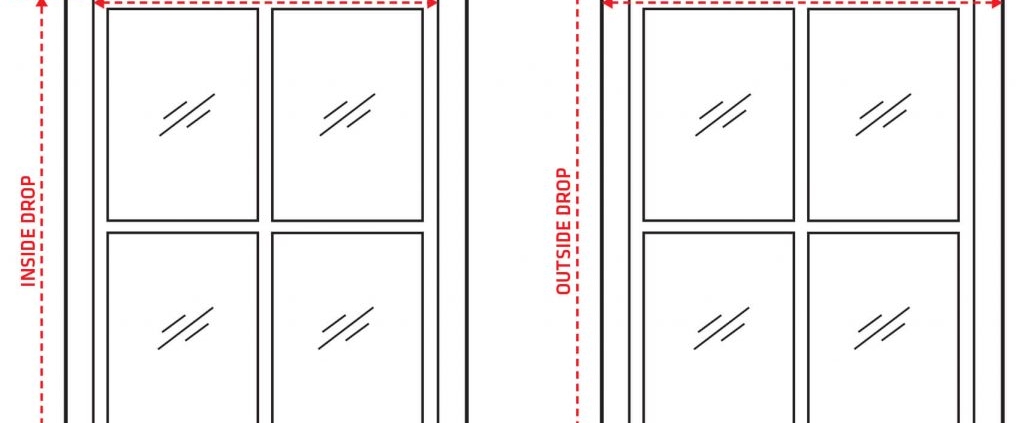
An inside recess fit sits neatly within the window frame. This fit offers a tailored look and works best when the recess is deep and square. An outside recess fit mounts above or around the window, covering the frame entirely while blocking more light at the edges.

If you want maximum darkness, outside recess is usually the stronger option. If you prefer a streamlined finish that keeps the wall line clear, inside recess often wins.


Measuring for an Inside Recess Fit

Inside recess measurements need precision. Window frames are rarely perfectly square, even in newer homes, so never rely on a single measurement.

Measure the width of the recess at the top, middle and bottom. Use the narrowest of the three figures, as the blind must fit comfortably within the tightest point. For height, measure on the left, centre and right, then again use the shortest measurement.

Do not add extra millimetres “just in case”. Roller blinds are manufactured to your specifications, and even a small overestimate can stop the blind from fitting properly.

It also helps to check the depth of the recess. Some block-out mechanisms require a minimum depth to sit flush, especially if you want the blind hidden neatly inside the frame without protruding.

Measuring for an Outside Recess Fit

Outside recess measurements allow for more flexibility and often deliver better light control. Instead of fitting inside the frame, the blind overlaps it.

Start by measuring the full width of the window, including the frame. Then decide how much extra coverage you want on each side. As a general guide, adding 50 to 100 millimetres on both the left and right helps block light bleed while creating a balanced look.

For height, measure from where you want the blind to start, usually just above the window frame, down to where you want it to finish. This might be the sill, just below it or all the way to the floor for a more dramatic effect.

Thinking visually helps here. Step back and imagine how the blind will fall against the wall, not just on the window. Well-fitted custom-made blinds create a cleaner, more polished finish and help block-out blinds look intentional within a room.


Don’t Forget Obstructions and Details

Small details, including window handles and security bars, can affect how a blind operates. Check whether handles stick out far enough to interfere with the fabric when the blind is lowered. If they do, an outside recess fit or additional spacing brackets may be necessary.

Using a proper window measuring guide can also help you identify small installation issues before ordering your blinds.


Double-Check and Then Check Again

Once you have your measurements, pause to read them back and measure again. This second pass often catches small errors caused by a tilted tape or a rushed glance.

Write measurements clearly and label each window, especially if you are measuring more than one room. “Bedroom left window” is far more helpful than “1200 x 1500”.


How Accurate is Measuring Changes in a Room

A block-out blind that fits properly improves sleep and creates calm in busy households. It also looks intentional, aligning cleanly with frames and walls without hovering awkwardly between them.

When blinds are fitted correctly, they fade into the design while still remaining functional in the background.


When to Ask for Help

If a window is unusually shaped, set into a bay or paired with sliding doors, professional measuring can save time and stress. Many suppliers offer this service, and it often pays for itself by avoiding costly remakes.

That said, for standard windows, careful DIY measuring is more than sufficient. The requirement is patience and respect for the process.


Measure With Confidence

Measuring windows correctly for block-out blinds requires you to take your time and be deliberate. Measure in multiple places and account for real-world details, and trust the smallest accurate number.

Get this step right, and everything else follows smoothly: the blind fits and light disappears when you want it to.

Premium blind solution that is versatile and perfect for creating a modern, uncluttered look in your home

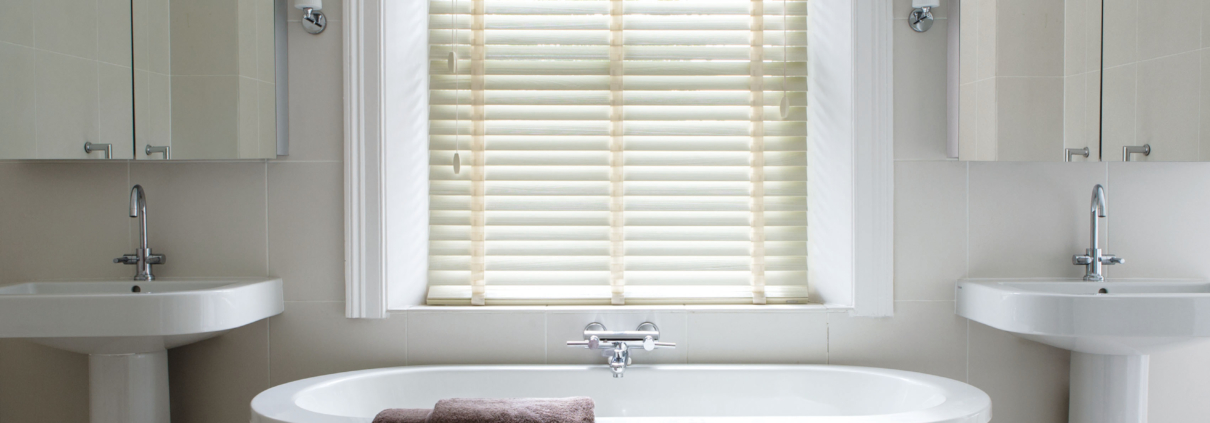
Bathrooms are practical spaces, but they don’t have to feel clinical. Wooden blinds for bathrooms bridge the gap between function and feeling, offering privacy and light control while also adding warmth to a room that can otherwise feel cold or purely utilitarian.

When chosen well and installed correctly, wood Venetian blinds elevate your bathroom while adding timeless style and functionality.

There’s a common assumption that wood and moisture don’t mix. While that’s true for untreated timber, modern moisture-resistant wooden blinds are specifically designed to handle humid environments.

With proper finishes and thoughtful placement, they become a surprisingly long-lasting and stylish choice for modern bathrooms.


A Natural Warmth Bathrooms Often Lack

Bathrooms often feature hard surfaces—tiles, glass, porcelain, and chrome—which can make the space feel stark, even when it’s beautifully designed. Wooden blinds for sale can instantly soften this effect.

The natural grain of the wood adds texture, while warm tones bring balance to all the shine and reflection. This makes them perfect for both contemporary and traditional bathrooms. Lighter woods create a calm, spa-like atmosphere, while darker finishes add depth and a sense of luxury.

Unlike fabric options, wooden blinds maintain their structure. They don’t sag or billow, keeping clean, intentional lines that enhance the overall design rather than serving purely as decoration.


Moisture Resistance Done Right

The key to using wooden blinds in bathrooms lies in the finish. High-quality wooden blinds are sealed with protective coatings that help repel moisture and prevent warping. This means they can handle steam from showers and baths, especially in well-ventilated spaces.

Placement also plays a role. Wooden blinds work best on windows that aren’t directly inside a shower enclosure. When paired with good airflow, either through windows or extractor fans and proper bathroom ventilation guidelines, they perform reliably over time

Privacy Without Blocking the Light

Bathrooms need privacy, but they also benefit enormously from natural light. Wooden blinds offer precise control over both. By adjusting the slats, you can obscure the view from outside while still letting sunlight filter in.

This flexibility is especially valuable in smaller bathrooms where light plays a big role in making the space feel open.

Frosted glass is one of many bathroom window treatment ideas, but it can’t adapt throughout the day like wooden blinds can. Wooden blinds, on the other hand, respond to changing light conditions and personal comfort.

Wooden blinds also make evening routines feel more contained and relaxed, creating a sense of separation from the outside world without turning the room into a dark box.


Easy Maintenance for Everyday Living

Bathrooms are busy spaces, and finishes need to cope with daily use.

Wooden blinds are refreshingly low maintenance, making them an ideal, easy maintenance solution for modern bathrooms. A quick wipe with a dry or slightly damp cloth is usually enough to keep them clean.

Because they don’t trap moisture like fabric blinds, they’re less likely to develop mould or hold onto odours, making them a hygienic option as well as an attractive one.

Over time, this ease of care adds real value. Instead of constant washing or replacement, wooden blinds hold their own with minimal effort.


Timeless Style That Grows With Your Home

Trends in bathroom design come and go, but wood has a way of staying relevant. Wooden blinds don’t tie you to a specific look but adapt easily as tiles change or fittings are updated.

This versatility makes them a smart long-term choice. No matter if your bathroom leans modern, rustic or somewhere in between, wooden blinds anchor the space with a sense of permanence and quiet confidence.

Wooden blind also connect bathrooms to the rest of the home. Using similar finishes across living spaces and bathrooms creates visual flow, making the house feel cohesive.


A Soft Touch in a Functional Space

At their best, bathrooms are places of pause, where morning routines and evening wind-downs unfold. Wooden blinds for sale can enhance this experience, giving the space a thoughtful, finished look.

Blinds soften the room and add character without clutter, creating a subtle yet noticeable change in how the space feels day after day.

In a room built for function, these wooden blinds strike the perfect balance, showing that practicality and beauty can coexist. With the right wooden blinds for sale, you can shape a bathroom that feels as inviting as it looks.

Vertical blinds

Windows shape the atmosphere of a home, and blinds play a far bigger role than people realise. They filter the light, influence privacy and set the tone for how effortless your daily routines feel.  

With motorised blinds becoming more accessible in South Africa, the question naturally pops up: should you stick with manual blinds or make the jump to something smarter? 

This comparison unpacks the practical differences while weaving in the lived experience of each option, helping you decide which one truly earns its place in your home. 


Ease of Use – Effortless vs Hands-On 

The most noticeable difference sits right at the surface. Motorised blinds move with a tap of a button while manual blinds rely on chains, cords or a lift-and-lower system. That alone changes how you interact with your space. 

Motorised blinds offer instant control. You adjust light levels without leaving your couch, which makes them especially appealing in larger homes or rooms where windows sit a little higher than comfortable reach.  

The automation also shines in open-plan areas where several blinds need adjusting throughout the day as the sun shifts. 

Manual blinds give you more of a hands-on approach. You pull the cord, gauge the light and set the tone yourself. It’s simple and familiar, particularly for people who enjoy a more tactile approach.  

The drawback arrives with heavy or wide blinds that need more physical effort, as well as blinds in tricky positions where reaching up becomes frustrating over time. 


Convenience and Everyday Living 

Convenience is where motorised blinds start pulling ahead. Not only can you operate them by remote, but certain systems connect to smart home apps. You set schedules that open the blinds with the sunrise while closing them at dusk or when temperatures climb.  

This creates a comfortable environment without constant manual adjustments. 

Manual blinds still work reliably for daily use but demand your attention. You adjust them each time you want more light or a bit more privacy. On busy mornings or late evenings, these small actions can start to feel like interruptions. 


Energy Efficiency and Home Comfort 

Motorised blinds subtly improve how your home uses energy. When scheduled correctly, they shield rooms from harsh midday heat while letting in warmth during cooler moments. This assists your heating and cooling systems, leading to a home that feels more stable throughout the seasons. 

Manual blinds can achieve the same effect, although consistency becomes the challenge. You might forget to close them when you leave the house or only adjust them once the room already feels uncomfortable. 

The difference lies in intention: motorised blinds work proactively while manual blinds rely on your memory in addition to your motivation. 


Safety and Maintenance 

Safety matters, particularly in homes with children or pets. Motorised blinds remove cords entirely, which eliminates common hazards. They also reduce wear and tear because the mechanisms move smoothly at controlled speeds. 

Manual blinds, while reliable, come with cords, strings or chains that can tangle or fray. They need occasional tightening, dusting and small fixes when parts pull loose.  

They still offer good longevity when cared for, but the upkeep feels more active compared to the set-and-forget nature of motorised systems. 


Cost Considerations – Upfront vs Long-Term Value 

The conversation usually shifts to cost, which is fair. Motorised blinds require a higher upfront investment while manual blinds offer a more budget-friendly entry point. 

However, the long-term view changes the picture. Motorised blinds offer better energy efficiency, last longer thanks to controlled movement and bring convenience that adds real lifestyle value.  

Many homeowners see the upgrade as something that elevates daily comfort along with the overall experience of their living spaces. 

Manual blinds remain a solid choice for smaller rooms, rental properties or areas where you don’t need frequent adjustments. They keep costs low while still offering reliable control over light and privacy. 


Aesthetic Appeal and Modern Living 

Motorised blinds introduce a sense of quiet luxury. No cords. No tugging. No uneven edges. The rise and fall happen smoothly, which creates a sleek, modern look that fits beautifully into contemporary South African homes. 

Manual blinds still offer timeless appeal, especially in traditional interiors, yet they can’t replicate the seamless movement or clean lines of a motorised option. 

If you’re trying to future-proof your home or shape a more streamlined aesthetic, motorisation adds a layer of sophistication that’s hard to ignore. 


So, Which One Is Worth the Upgrade? 

If you value convenience, remote control, child safety and energy-smart living, motorised blinds are worth the leap. They reshape daily routines while lifting the overall atmosphere of a home. Not only do they feel modern, but they also make your space work harder for you. 

Manual blinds still have their place. They serve well in rooms with minimal light changes or where budget matters more than automation. They’re practical, familiar and dependable. 

Ultimately, the right choice depends on the kind of life you want to shape inside your home. If you’re after ease along with long-term value, the upgrade to motorised blinds pays off in ways that go beyond convenience. It brings comfort and that little spark of luxury that makes everyday living feel smoother. 

At a click of a button, you can raise or lower your blind to the selected position to allow for the correct amount of light and privacy.

Motorised blinds bring a touch of luxury to any South African home while offering the kind of everyday convenience that quickly becomes essential.  

They glide open at the tap of a button, shift light with precision and create an almost seamless link between comfort and control. While these blinds are built for durability, they still need the right care to stay dust-free and working smoothly.  

With a few simple habits, you can extend their lifespan and keep them looking sharp all year round. 


Start with Consistent Light Cleaning 

Dust settles effortlessly on blinds, and motorised systems are no exception. A regular cleaning routine goes a long way in preventing build-up while keeping the mechanisms running freely. A quick dust-off once or twice a week helps, especially in homes that face busy streets or the dry inland winds. 

Use a soft microfibre cloth, a feather duster or the light brush attachment on your vacuum. Each option lifts surface dust without dragging it across the material. Move from the top down so the dust falls away naturally.  

Wooden blinds might need slightly more careful handling while aluminium or fabric blinds take well to gentle but thorough strokes. 

Consistent dusting not only maintains a crisp look but also keeps the motor under less strain. When blinds stay light and clean, the system doesn’t fight against grit wedged in the slats or on the fabric, which means fewer mechanical hiccups in the long run. 


Deep Cleaning Without Damaging the Material 

Every few months, it pays to give your blinds a deeper clean. This step depends on the type of blinds you have while still following the same basic rule: be gentle. 

For fabric blinds, use a damp cloth rather than soaking them. Too much moisture can distort the material or leave watermarks. Wipe lightly across the surface, then let the blinds air dry while fully extended.  

If you notice stubborn patches or stains, avoid harsh cleaners. A mild, diluted detergent usually lifts the mark without stripping colour or affecting the texture. 

Wooden blinds need special attention. Water can warp the wood, so use a barely damp cloth or a wood-safe cleaner. Wipe them quickly then follow with a dry cloth to prevent moisture from lingering.  

Aluminium blinds are the most forgiving and handle deeper cleaning well, as long as you avoid abrasive scrubbing. 

Deep cleaning helps the blinds keep their shape while maintaining the finish, and it supports the motor by preventing additional friction or stiffness. 


Check the Mechanism and Remote Regularly 

While motorised blinds tend to operate quietly in the background, they still benefit from the occasional check-in. Listen for unusual sounds, watch for uneven rolling and pay attention to blinds that pause or hesitate.  

These signs often mean dust has settled around the gears or that a loose connection needs tightening. 

Most motor units are sealed, so you won’t need to open anything. Instead, gently clean the areas around the motor housing, the rails and the top cassette. Dust tends to gather in these hidden spots, especially if your windows are open often. 

The remote or wall switch also deserves attention. Wipe it clean, ensure the buttons respond well and replace the batteries when the response time slows.  

A weak remote can sometimes mimic a failing motor, so ruling out the simple causes first helps prevent unnecessary worry. 


Keep an Eye on Wiring and Power Sources 

Motorised blinds may run on hard-wired systems, rechargeable batteries or plug-in adaptors. Whichever configuration you have, giving the power supply a once-over every few weeks keeps the system stable. 

Rechargeable units should be charged before they run flat. Letting the battery drain fully can weaken its long-term capacity. Hard-wired systems require little handling, although it’s worth checking that the cables sit securely in place along the wall or ceiling. 

Power interruptions, common during load-shedding, can sometimes cause blinds to reset or lose their calibrated limits.  

If your blinds suddenly stop at odd heights or refuse to close fully, they may need a simple recalibration. Most brands offer a quick, step-by-step reset process that takes only a few minutes. 


Create a Healthy Environment Around the Blinds 

Sometimes the best maintenance has nothing to do with direct cleaning. Ventilation plays a role while humidity can affect certain materials, especially wood. If a room stays damp, consider improving airflow with a cracked window or a dehumidifier.  

Likewise, strong sun can fade fabric blinds over time, so angling them slightly when the light is harsh helps preserve the colour. 

Pets and toddlers also love fiddling with blinds, so ensuring the bottom rails stay out of reach helps reduce unnecessary tugging or twisting. These small habits protect both the material and the motorised system. 


Final Thoughts 

Motorised blinds are designed to make life easier, and with the right maintenance, they keep that promise year after year. Light dusting, occasional deep cleaning and a bit of attention to the mechanism all work together to keep your blinds smooth, clean and reliable.  

In addition to looking beautiful, well-maintained blinds protect your investment while supporting effortless living in your home. 

At a click of a button, you can raise or lower your blind to the selected position to allow for the correct amount of light and privacy.

Motorised blinds have shifted from being a luxury add-on to becoming a feature that makes daily living easier and more energy efficient.  

South African homes, especially those embracing contemporary design or balancing hybrid work routines, are finding that automation brings a sense of ease you can’t quite replicate with manual blinds. Motorised blinds reshape how you use your space while adding a layer of sophistication. 

Below are the top five benefits that show why these blinds have become a standout upgrade for modern homes. 


1. Effortless Convenience That Fits a Fast-Moving Lifestyle

Convenience is the first thing people talk about when they try motorised blinds, but the ease runs deeper than pressing a button. The blinds open and close in perfect unison while removing the small frustrations that come with cords that tangle or blinds that never quite sit straight.  

You control everything through a remote, wall switch or compatible smart home system, which means early mornings run smoother and late nights wind down faster. 

For households juggling work, school and family life, this kind of seamless control changes the rhythm of a day.  

You walk into a room and with a simple tap the space adapts to suit you. No fuss, no wasted movement, just a small shift that creates a more comfortable home. 


2. Better Energy Efficiency While Managing South Africa’s Harsh Sun

South African weather swings between intense heat, cool evenings and seasons where direct sunlight can be both beautiful and overpowering. Motorised blinds give you the ability to manage these changes with precision.  

By scheduling them to close during the hottest hours, you prevent indoor temperatures from soaring while easing the pressure on air conditioning. When the weather cools, the blinds can lift automatically and welcome warmth back in. 

This creates a more consistent indoor climate, saving energy while enhancing comfort. Over time the difference adds up, especially in homes with large windows or glass doors that typically lose or gain heat quickly.  

You get a smarter, more balanced home environment without constantly adjusting blinds throughout the day. 


3. Improved Security with Subtle, Smart Automation

Security is something every South African homeowner considers, and motorised blinds quietly strengthen it without feeling intrusive. When you’re away, scheduled movements give the impression that someone is home while creating natural patterns that don’t look staged.  

The blinds lift in the morning, lower in the evening and shift slightly throughout the day, mimicking real behaviour. 

In addition to this visual deterrent, many systems can integrate with existing alarms or smart home platforms. You gain the option to close all blinds instantly at night or respond to a notification from your security system with a single tap.  

It feels calm and intuitive while adding an extra layer of protection that fits smoothly into everyday life. 


4. Greater Safety for Families with Young Children and Pets

Corded blinds can pose risks to small children and curious pets, which is why cordless, motorised options are becoming the preferred choice in family homes.  

The design removes the dangling cords and mechanisms that attract tugging hands or playful paws. You get a cleaner, safer window covering that sits neatly in place. 

Because you can control the blinds from a distance while adjusting them gradually or fully at once, you avoid situations where a child tries to reach up and pull them open. It creates peace of mind along with a tidier aesthetic, which parents appreciate more than they expect. 


5. A Premium, Modern Look That Elevates Any Interior

Beyond convenience and safety, motorised blinds carry an unmistakably modern appeal. They rise and fall smoothly while giving your home that crisp, quiet refinement associated with well-designed interiors.  

They pair beautifully with minimalist décor, natural textures, coastal palettes or bold contemporary styles. When combined with wide South African windows, the effect feels intentional and elevated. 

You also get more flexibility in how you style your home. Without cords or visible control mechanisms, the window area feels uncluttered while the blinds themselves frame light in a soft, controlled way.  

They turn everyday motion into something sleek and almost cinematic, which makes a room feel more composed. 


Final Thought 

Motorised blinds shape how your home works. They simplify routines while safeguarding your household, lowering energy use and lifting the overall design into something more polished.  

For modern South African homes where lifestyle, climate and comfort intersect, they offer a blend of practicality and beauty that’s genuinely worth the upgrade. 

Request a Quote