Best Shutters for Bathroom Windows

People do not always think about the environment inside a bathroom until materials start showing signs of wear. Daily showers create humid conditions, steam drifts around the room and moisture settles where it can.

Many standard window coverings are not particularly suited to being exposed to this day after day.

Fabric can trap moisture and begin looking tired sooner than expected. Lower-quality blinds can fade, bend, or lose their original shape, while timber products not built for wet spaces can slowly start swelling.

Smaller bathrooms have another issue altogether, as heavier window coverings can make the room look more enclosed and reduce the amount of natural light coming in.

Bathroom window shutters deal with several of these issues in one solution.

They create privacy without shutting out daylight completely, allow better air movement, and when the right material is installed, they withstand humid environments much better.

Material choice becomes important. Nearly every shutter looks appealing when first fitted, though bathrooms have a habit of exposing weaker materials after enough time has passed.


Which bathroom shutters make the most sense?

Daily exposure to steam can become an issue with some materials. PVC shutters are usually chosen because they cope well in humid spaces and require little upkeep.

Aluminium also performs well where moisture is present. Wood tends to suit rooms without constant dampness.


Why Bathroom Windows Need Different Shutters

Bathrooms are one of the harshest environments for interior window coverings.

The issue is not simply water exposure. It is the constant cycle of:

  • Heat
  • Steam
  • Humidity
  • Condensation
  • Ventilation changes

These conditions put materials under repeated strain over time, especially those not built for damp environments.


This is especially noticeable in South African homes where bathrooms often experience strong sunlight combined with limited ventilation.

That combination can cause:

  • Warping
  • Swelling
  • Mould growth
  • Discoloration
  • Rust
  • Peeling finishes

The type of material installed usually determines how well it handles these conditions.


Privacy also becomes more important in bathrooms than in almost any other room.

Unlike living spaces, bathroom windows need adjustable visibility control throughout the day without making the room feel dark or enclosed.

They can balance:

  • Privacy
  • Airflow
  • Natural light
  • Moisture resistance

This combination is one of the main reasons shutters are commonly chosen for bathrooms.


Bathroom Window Challenges

Challenge Why It Matters
High humidity Damages unsuitable materials
Condensation Can lead to swelling and mould
Privacy needs Requires adjustable visibility
Ventilation Reduces trapped moisture
Frequent cleaning Needs durable finishes
UV exposure Can fade inferior products

What many homeowners realise after replacing curtains or fabric blinds with shutters is how much fresher the bathroom feels overall.

Bathrooms generally feel:

  • Brighter
  • Cleaner
  • Larger
  • More ventilated

Visual openness within a room can be reduced when heavy fabrics become a dominant feature.
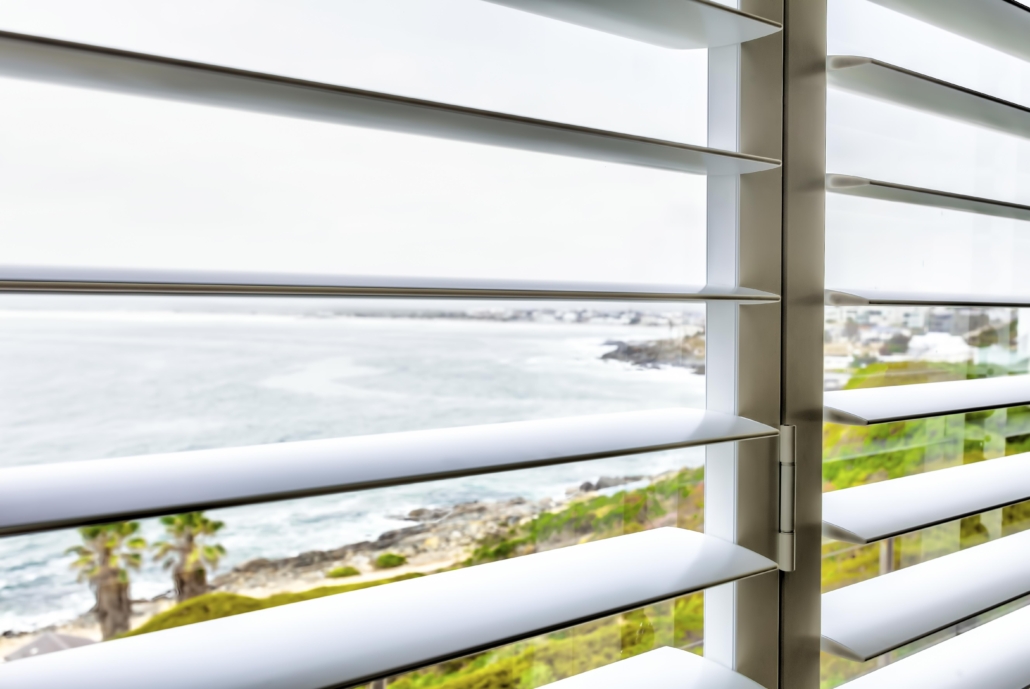
 

Aluminium Security Shutters Bathroom


Why Bathroom Window Shutters Continue to Appeal to Homeowners

Shutters are effective in bathrooms because they solve multiple problems simultaneously.

Most traditional bathroom window coverings only address privacy.

Shutters improve:

  • Privacy
  • Light control
  • Ventilation
  • Moisture resistance
  • Interior aesthetics
  • Long-term durability

This combination is one reason shutters continue to appeal in modern home.

Privacy and natural light do not always work together with standard window coverings. Closing a blind usually changes the room straight away. Shutters give more room to adjust things because the blades can be tilted instead of shutting everything off.


Are shutters suitable for bathroom windows?

Yes. Many people choose shutters for bathrooms because they solve several issues in one place. Privacy is usually the first concern, although airflow becomes equally important once there is steam. Quality shutters cope well in these conditions.

Another practical advantage is maintenance.

Bathrooms require regular cleaning. Smooth shutter finishes are far easier to wipe down than fabric blinds or curtains that trap:

  • Dust
  • Moisture
  • Soap residue
  • Airborne particles

Fabric blinds and curtains can gradually collect these particles, making regular cleaning more difficult.


Shutters vs Traditional Bathroom Window Coverings

Feature Shutters Curtains Fabric Blinds
Moisture Resistance Excellent Poor Moderate
Privacy Control Excellent Moderate Good
Ventilation Excellent Poor Limited
Maintenance Easy High
Longevity Long Shorter Medium
Appearance Premium Traditional Functional


PVC Bathroom Window Shutters

PVC shutters are frequently considered the safer route in bathrooms, especially where moisture levels are higher than elsewhere in the home.

There is a straightforward reason behind it.

Timber can react to moisture exposure, while PVC deals with those conditions differently, making it suitable for:

  • Bathrooms
  • Laundries
  • Kitchens
  • Pool houses
  • Coastal interiors

Some materials struggle in these environments once moisture becomes part of everyday conditions.


Unlike some natural materials, properly manufactured PVC shutters resist:

  • Swelling
  • Cracking
  • Peeling
  • Mould growth
  • Moisture distortion

How PVC shutters handle these issues has contributed to their growing use in many homes.


Why are PVC shutters recommended for bathrooms?

Most bathrooms deal with the same thing every day. Hot showers, humid air, and moisture collecting on nearby surfaces all become part of the environment. Window coverings are exposed to it too, which is why material choice becomes important.

PVC shutters have become a popular option because they handle these conditions well without needing much ongoing attention. Cleaning is simple and they fit comfortably into rooms where practicality usually sits quite high on the list.
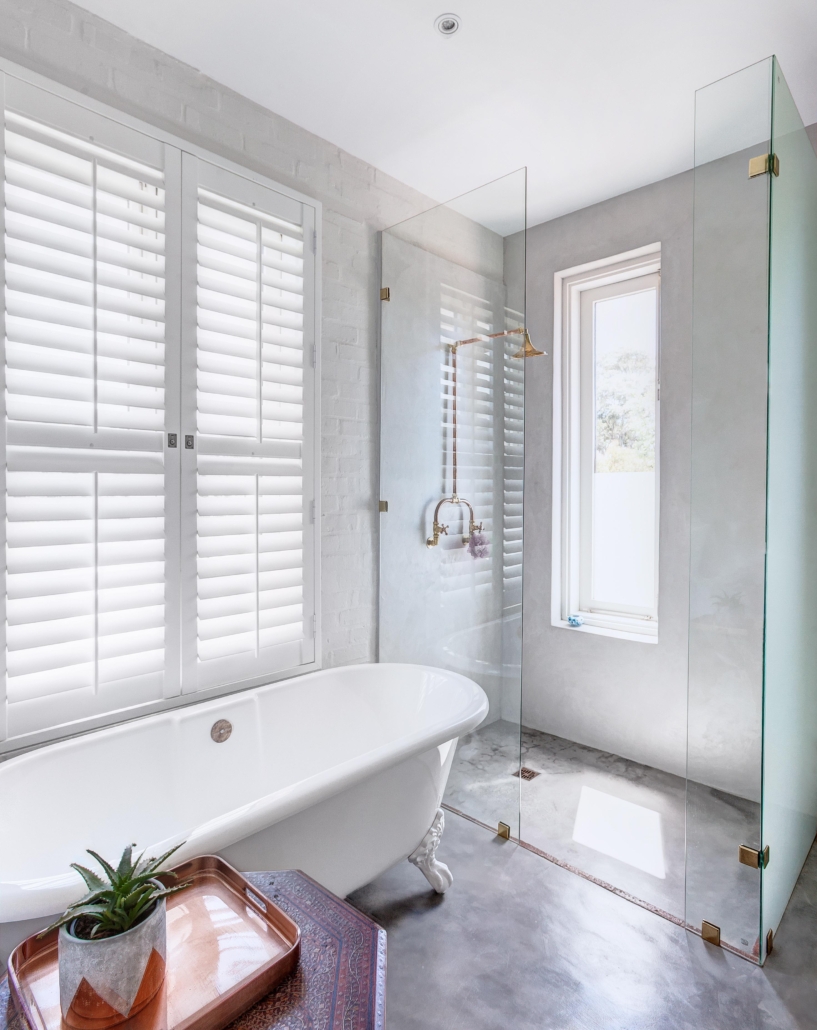
 

PVC shutters


PVC Shutter Advantages

Advantage Benefit
Moisture resistant Prevents warping
Easy cleaning Minimal maintenance
Durable finish Long-lasting appearance
Humidity tolerant Ideal for wet rooms
Bright appearance Enhances natural light

Durability is influenced by several factors, not the material alone. Lower-quality PVC systems can begin losing their original appearance after continuous UV exposure.

Better manufacturing standards and careful installation contribute to stronger long-term performance.


Why Aluminium Works in Bathroom Spaces

Humidity and everyday use influence more than people realise when choosing shutters. Some materials suit drier rooms perfectly well, while bathrooms call for something better suited to those conditions.

Some common areas include:

  • Humid environments
  • Coastal homes
  • Contemporary interiors
  • High-end renovations


Moisture and changing temperatures tend to have a lighter effect on aluminium than on many material types.

Powder-coated aluminium finishes are highly resistant to:

  • Corrosion
  • Fading
  • Peeling
  • Moisture damage

Many homeowners only notice the impact of coastal conditions once wear begins to show.


Is aluminium a sensible shutter choice for bathrooms?

In many bathrooms, yes.

A bathroom is not gentle on window coverings. There is steam, condensation, and humid air, sometimes with poor ventilation added into the mix.

Aluminium shutters are useful here because they are resistant to moisture and corrosion, rather than needing perfect conditions to perform well.

They are also worth considering in coastal areas.

The combination of moisture and salt in the air can be unforgiving, so a material with better resistance has a clear place.

PVC can still do the job in certain homes, although aluminium has a different visual character. It looks more architectural and less bulky.

This is where it becomes appealing in newer homes, especially bathrooms with sharper fittings, frameless glass, stone finishes, or a more minimal interior style.


PVC and Aluminium Shutters in Bathroom Conditions

Feature PVC Aluminium
Moisture Resistance Excellent Excellent
Appearance Softer aesthetic More architectural
Maintenance Low Extremely low
Cost Mid-range Premium
Coastal Suitability Good Excellent
Security Moderate High

Sea air has a way of exposing weak materials quickly. Aluminium is one of the safer choices when long-term wear is the main concern.
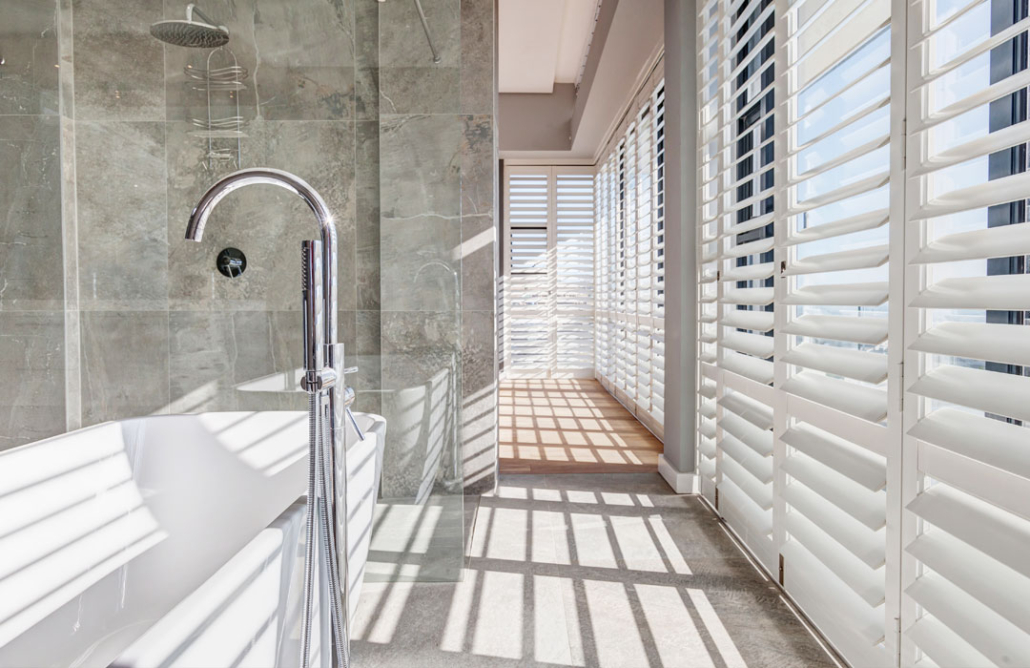
 

Aluminium Shutters


Are Wooden Shutters Suitable for Bathrooms?

Wood shutters can absolutely work in bathrooms, but only in the right conditions.

This is where context matters.

A spacious ensuite with decent airflow and little moisture in the air is not in the same category as a small family bathroom filled with steam every day.

Timber can look beautiful in the right bathroom, no question. Its grain, warmth, and natural character are not easy to copy with synthetic materials.

However, timber is naturally more sensitive to:

  • Humidity
  • Moisture
  • Temperature changes

The problem with timber is not the first month outside; it is the years of moisture, heat and weather that wear it down faster than PVC or aluminium.


Are timber shutters a sensible choice for bathrooms?

Not every bathroom creates the same conditions for shutters. Wood can work perfectly well in rooms with good ventilation and lower humidity, while bathrooms exposed to frequent steam are usually better suited to PVC or aluminium because moisture can gradually affect timber.


Bathroom Suitability by Material

Material Bathroom Suitability
PVC Excellent
Aluminium Excellent
Wood Moderate

In practice, many designers reserve timber shutters for:

  • Luxury guest bathrooms
  • Dry ensuite spaces
  • Decorative interior applications

Rooms with lighter daily use and drier conditions are often a more suitable setting.


Best Bathroom Shutters for Privacy and Light Control

Natural light is great in a bathroom until it comes with the sense that the room is on display. Shutters solve that problem for many homeowners.

The challenge is maintaining privacy without completely losing natural light.

Curtains and roller blinds often force a choice between:

  • Light
  • Privacy


Shutters remove much of that trade-off by giving you greater control over both.

Adjustable louvres can be angled to:

  • Block outside visibility
  • Soften direct sunlight
  • Maintain airflow
  • Preserve daylight

Everything can be adjusted without needing to choose between light, privacy, or ventilation.
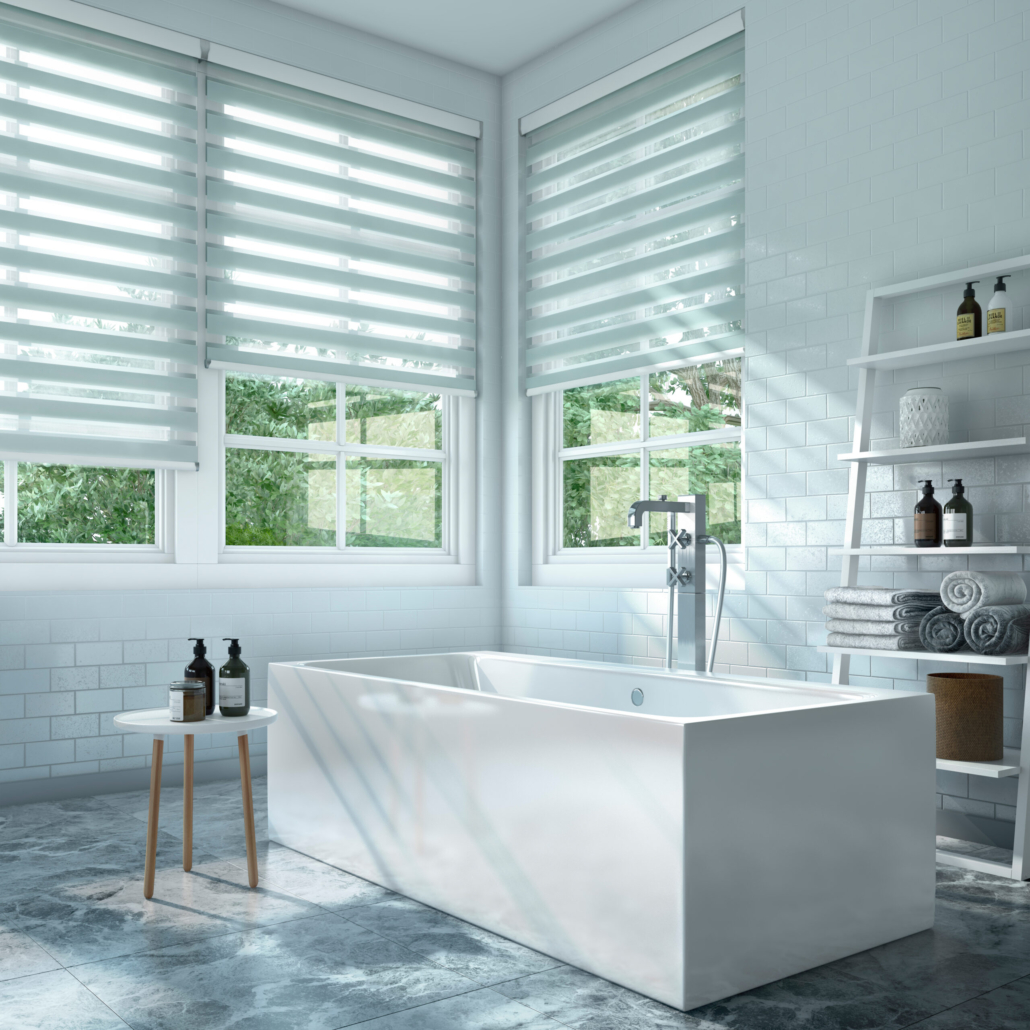
 

Best Shutters for Bathroom Windows


Do shutters provide enough privacy in bathrooms?

Some window coverings create privacy by blocking everything, including sunlight and fresh air. Adjustable louvre shutters take a different route.

Visibility from outdoors becomes restricted through the blade angle, while the room still benefits from brightness and ventilation.

This flexibility becomes particularly valuable in:

  • Street-facing bathrooms
  • Estate homes
  • Apartment bathrooms
  • Densely built neighbourhoods

Extra privacy tends to become more important in these kinds of spaces.


Privacy Comparison

Window Covering Privacy Control Natural Light
Shutters Excellent Excellent
Curtains Good Limited
Roller blinds Moderate Moderate
Frosted glass only Permanent Good


Best Bathroom Shutters for Small Bathrooms

Smaller bathrooms benefit enormously from the right window treatment.

Heavy curtains and dark blinds often make compact spaces feel:

  • Darker
  • Tighter
  • Visually cluttered

White shutters, on the other hand, reflect light and create cleaner sightlines.

That is one reason plantation shutters remain so popular in modern bathrooms.

They visually simplify the room.


Best Colours for Bathroom Shutters

Colour Effect
White Brightens small spaces
Soft grey Contemporary neutral
Black Strong architectural contrast
Natural timber Warm luxury appearance

White remains the safest option for most bathrooms because it:

  • Works with almost any tile finish
  • Improves brightness
  • Feels timeless
  • Suits both classic and modern interiors


Common Bathroom Shutter Mistakes

A few mistakes appear repeatedly in bathroom shutter installations.

Using Untreated Timber Natural wood without proper protection often struggles in humid environments.

Choosing Cheap PVC Products Inferior PVC systems may discolour or weaken under UV exposure.

Ignoring Ventilation Daily showers and baths introduce constant moisture into a room, making ventilation useful even when shutters are made with damp conditions in mind.

Poor Measurements Smaller bathroom windows and awkward layouts can create fitting challenges, which places greater importance on selecting dimensions with care.


Common Problems and Solutions

Problem Recommended Solution
Warping Use PVC or aluminium
Mould buildup Improve airflow
Difficult cleaning Smooth shutter finishes
Poor privacy Adjustable louvre shutters
Coastal corrosion Powder-coated aluminium

High-quality shutters are only part of the equation. Poor installation work can create problems eventually, even when the product itself has been built to a high standard.


What I Would Recommend for Most Bathrooms

For most South African homes, PVC shutters remain the strongest all-round bathroom solution.

They balance:

  • Moisture resistance
  • Affordability
  • Low maintenance
  • Longevity
  • Clean aesthetics

Aluminium becomes particularly attractive in:

  • Coastal homes
  • Ultra-modern interiors
  • Luxury architectural projects

Timber usually finds its place in interiors where visual impact outweighs concerns around moisture exposure.


Which bathroom shutters are best overall?

Choosing shutters for a bathroom usually comes down to more than finding a style that looks right. Conditions inside the room play a part too.

PVC tends to suit the broadest range of homes because it deals well with moisture and does not need much attention. Aluminium works nicely in coastal and contemporary spaces, while timber is better suited to more controlled environments.


Practical Bathroom Recommendations

Bathroom Type Best Option
Family bathroom PVC
Coastal bathroom Aluminium
Luxury ensuite PVC or wood
Guest bathroom PVC
Contemporary modern bathroom Aluminium
Small bathroom White PVC shutters

Bathroom shutters need to do more than suit the décor. Warm air, moisture, and regular use create an environment that calls for materials capable of handling everyday conditions without sacrificing appearance.


Frequently Asked Questions


Are bathroom shutters waterproof?

Not every shutter material handles bathroom conditions equally. PVC options are built to deal with moisture and suit rooms where humidity levels rise regularly.


Do shutters get mouldy in bathrooms?

Not always. Shutters are commonly fitted in bathrooms for exactly this reason. Quality options deal with humid conditions well and are less likely to develop mould than fabric coverings.


What colour shutters are best for bathrooms?

White fits naturally into bathroom spaces, whether the room leans towards traditional styling or something more modern. Its clean appearance also works well where natural light is limited.


Are PVC shutters better than wood for bathrooms?

Yes. Steam and moisture can be difficult on natural wood over time, whereas PVC is built to cope with bathroom conditions more comfortably.


Can bathroom shutters increase home value?

Well-designed custom shutters can improve both functionality and perceived interior quality.


Do bathroom shutters provide privacy at night?

Yes, especially when louvres are fully adjusted or closed.


Are aluminium shutters suitable for coastal bathrooms?

Yes. Powder-coated aluminium performs exceptionally well in coastal environments.


How do you clean bathroom shutters?

Most shutters can be cleaned easily using a damp cloth and mild cleaning solution.


Are shutters better than frosted bathroom windows?

Many homeowners prefer shutters because they provide adjustable privacy and improved design flexibility.


Do bathroom shutters help with ventilation?

Yes. Adjustable louvres allow airflow while maintaining privacy.
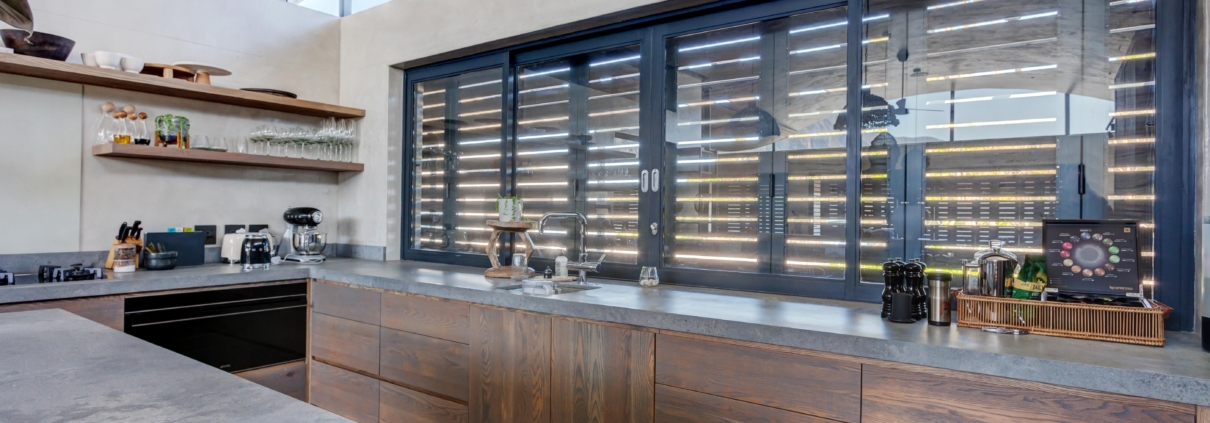
PVC vs Aluminium vs Wood Shutters

Which Material Is Best for South African Homes?

Most people choose shutters by appearance first and only start thinking about material once installation day is close.

Trouble usually starts later when the shutters are dealing with heat, moisture or years of sun exposure that were never carefully considered in the beginning.

PVC, wood, and aluminium behave very differently once fitted into a real South African home. Coastal properties place completely different pressure on materials compared to dry inland areas.

Timber shutters still appeal to homeowners chasing a warmer interior finish, but maintenance can slowly become part of the deal. Aluminium handles exterior conditions better in many cases, while PVC is commonly used in rooms where moisture becomes difficult to avoid.

One material is not automatically better than another. The property itself usually decides that.

At House of Supreme, materials are not selected purely because they photograph well or follow trends. Decisions are normally shaped by several competing considerations behind the scenes:

  • Durability
  • Security
  • Moisture resistance
  • Maintenance
  • Architectural style
  • Budget
  • Longevity


Shutter material usually depends on where it is going. Bathrooms and kitchens are rarely going to suit the same option someone would pick for a bedroom or enclosed patio.


Are wood, PVC or aluminium shutters better?

People normally choose PVC shutters for damp areas where swelling and peeling become a concern over time.

Aluminium shutters are fitted more regularly on patios and exterior openings, while wood shutters still suit homes chasing a softer and more natural interior appearance.

The decision usually changes from room to room rather than one material beating the others outright.


What separates PVC, aluminium, and wood shutters?

People usually think shutters are shutters until they start comparing the materials properly. PVC, aluminium, and wood can look almost identical online, but they behave very differently once fitted.

PVC shutters are mostly chosen in homes where damp and steam become an issue later. Aluminium is seen more around patios and exterior openings because it handles weather and security better.

Wood sits in a different space entirely since most buyers choose it for appearance before anything else.

The material used will depend how each reacts to:

  • Heat
  • Humidity
  • UV exposure
  • Salt air
  • Physical impact
  • Daily wear


Homes in South Africa are exposed to conditions which can be difficult on shutters from the start. Long hours of sunlight, regular temperature changes and open living areas linked to outdoor spaces have a way of revealing quality issues in weaker shutter systems early.


Material Comparison Overview

Feature PVC Shutters Aluminium Shutters Wood Shutters
Appearance Clean and modern Sleek and architectural Warm and natural
Moisture Resistance Excellent Excellent Moderate
Security Low High
Exterior Suitability Limited Excellent Limited
Maintenance Low Very low Medium
Weight Medium Light Heavier
Durability Good Excellent Good with maintenance
Best Use Bathrooms & kitchens Security & outdoor areas Premium interiors


PVC Shutters Explained

PV Shutters have started replacing timber options in spaces where moisture becomes a constant issue.

Bathrooms and kitchens put materials under pressure every single day through steam, heat, and damp air, which is usually where natural wood starts showing problems first.

Timber can still look great, but in the wrong environment it has a habit of swelling, splitting, or twisting as conditions change throughout the year. PVC avoids most of those headaches simply because the material reacts differently to moisture.

Since it is s synthetic, water does not soak into it in the same way it would with wood. PVC shutters are extremely practical in:

  • Bathrooms
  • Kitchens
  • Pool houses
  • Coastal interiors
  • High-humidity spaces


Maintenance is one area where PVC shutters have built a decent reputation. Most only need occasional cleaning and they do not demand the same ongoing refinishing associated with some other materials.

However, quality differs between systems. Certain lower-cost imported options have developed issues after prolonged exposure to harsh sunlight.

Discolouration is not uncommon, and weaker PVC formulations can become brittle as the years pass. Reinforcement inside the panels and the standard of production have more influence on durability than many people first assume.


What are PVC shutters usually best suited to?

Some shutter materials start showing wear quite quickly in humid rooms. Bathrooms are usually the first place it shows, followed by kitchens where heat and moisture build up daily.

PVC shutters are used in these spaces more than anything else because they cope better with moisture exposure and do not develop the same mould or warping issues people see with timber shutters near the coast.


PVC Shutter Pros and Cons

Pros Cons
Moisture resistant Less natural appearance
Easy to clean Limited structural strength
Minimal maintenance Not ideal for large openings
Cost effective Lower-end systems may discolour
Good for bathrooms Less premium texture than timber


Many homeowners underestimate how much size changes things. PVC suits standard windows, while aluminium usually handles wide spans and larger stacking systems with fewer structural concerns.


Aluminium Security Shutters Bathroom


Aluminium Shutters Explained

The aluminium shutter systems available today look quite different from the earlier designs on the market a decade ago.

Older systems sometimes felt overly industrial or commercial. Modern architectural aluminium shutters, however, are far more refined and now feature heavily in contemporary residential design.

Their biggest advantage is durability, and Aluminium performs exceptionally well in:

  • Harsh sunlight
  • Outdoor environments
  • Coastal regions
  • High-traffic areas
  • Security applications


Unlike timber, aluminium does not warp. Unlike lower-grade PVC, it does not become brittle under intense UV exposure.

And when powder-coated properly, corrosion resistance is excellent.

For many South African homeowners, aluminium shutters are the most practical long-term investment — particularly for patio doors, entertainment spaces, and exterior openings.


Are aluminium shutters worth it?

Higher pricing puts some buyers off aluminium shutters initially, especially when compared to timber or PVC alternatives. After installation, the difference starts becoming easier to justify.

Aluminium deals with coastal air, heavy sun exposure, and wet conditions without the same level of upkeep many other materials demand.

Security tends to influence the decision as well. Certain aluminium shutter systems are built to function almost like a security gate while still allowing air circulation and partial visibility outside.

Other materials struggle to offer those features together without sacrificing one somewhere along the line.


Aluminium Shutter Pros and Cons

Pros Cons
Extremely durable Higher initial cost
Excellent security Less natural texture
Exterior suitable Some styles feel more modern
UV and corrosion resistant Precision installation important
Minimal maintenance Premium systems cost more


In many modern homes, aluminium shutters also work surprisingly well as:

  • Privacy screens
  • Room dividers
  • Exterior architectural features
  • Noise reduction barriers


Their mix of security, weather resistance and cleaner styling has seen aluminium shutters appear in more high-end residential builds in recent years.


Wood Shutters Explained

Wood shutters continue to be associated with more timeless interior styles. Modern synthetic materials have narrowed the gap in appearance, but natural timber still has a texture and visual warmth which many people simply prefer inside the home.

There is a softness to real wood that works beautifully in:

  • Luxury lounges
  • Bedrooms
  • Dining rooms
  • Heritage homes
  • Transitional interiors


Properly manufactured timber shutters can last for many years without losing their appeal.

Maintenance does enter the conversation, however, because wood is far more responsive to environmental conditions than aluminium. Moisture, heat, and temperature fluctuations can gradually affect the material.

This is not really a question of durability. Positioning timber shutters in suitable areas tends to influence how they age.


Why do homeowners still choose wood shutters?

Wood shutters still appeal to homeowners because timber brings a certain character into a room which synthetic alternatives rarely capture properly.

Well-made wooden shutters also give interiors a more established and expensive appearance, which is one reason they are still common in higher-end homes.


Wood Shutter Pros and Cons

Pros Cons
Premium natural appearance Sensitive to moisture
Excellent insulation Requires more maintenance
Timeless design Higher cost
Custom stain finishes Can warp in humid spaces
Strong interior aesthetic Less suitable outdoors


One mistake people make is installing timber shutters in areas with constant steam or moisture exposure.

Bathrooms without adequate ventilation are a common example.

In those spaces, PVC makes more sense long term.


Which Shutter Material Lasts the Longest?

Longevity depends heavily on environment and installation quality.

But broadly speaking, aluminium shutters tend to offer the longest lifespan — particularly outdoors.

They tolerate the following better than most alternatives:

  • UV exposure
  • Moisture
  • Coastal air
  • Temperature fluctuation
  • Heavy use


PVC shutters have earned a decent reputation indoors, in areas where moisture becomes difficult to avoid. Some products are built far better than others, which explains why certain shutters start warping or discolouring much sooner.

Wood shutters still appeal to plenty of homeowners, but they need a more suitable environment. Neglected timber rarely ages gracefully in damp rooms.


Which Shutter Material Lasts the Longest


What shutter material lasts longest?

Aluminium shutters have a longer lifespan because the material handles corrosion and sun exposure far better than many alternatives.

Structural movement is also less of an issue, which helps the shutters stay stable for years without requiring much maintenance.


Lifespan Comparison

Material Expected Lifespan Best Environment
PVC 15–25 years Bathrooms and kitchens
Aluminium 20–40+ years Exterior and security applications
Wood 15–30 years Dry interior spaces


The installation itself also matters more than many buyers expect.

Poor alignment, inadequate fixing methods, and cheap hardware often cause premature issues long before the shutter material fails.


Best Shutter Material for South African Conditions

South African climates vary dramatically. A solution that works perfectly in Johannesburg may struggle in Durban or Cape Town’s coastal conditions.

That is why local experience matters when selecting shutter materials.


Coastal Homes

Coastal properties deal with more corrosion than inland homes simply because of the salt exposure in the air. Some materials start showing wear surprisingly quickly once the weather turns humid for extended periods.

Aluminium shutters are preferred here since they withstand those conditions without the same level of deterioration.


High-Humidity Areas

PVC shutters are usually fitted in bathrooms and kitchens because constant moisture in the air does not affect them as quickly as it does some other materials.


Dry Inland Regions

Wood shutters perform better inland where humidity levels remain lower.


High-Security Areas

Aluminium shutters are usually the first choice in homes where appearance still counts alongside security. Some people still prefer steel, especially for businesses, but aluminium suits residential properties better in many cases.


Best Material by Environment

Environment Recommended Material
Coastal homes Aluminium
Bathrooms PVC
Luxury interiors Wood
Outdoor entertainment areas Aluminium
High humidity spaces PVC
Security applications Aluminium


Cost Comparison: PVC vs Aluminium vs Wood Shutters

Pricing varies depending on:

  • Customisation
  • Hardware quality
  • Installation complexity
  • Finish options
  • Span sizes
  • Manufacturing quality


PVC tends to attract buyers who are trying to avoid heavier upfront costs. Aluminium and timber shutters are priced higher, although aluminium has become more appealing for households wanting something that does not demand frequent maintenance or treatment.


Which shutter material is most affordable?

PVC shutters are easier on the budget initially and are commonly chosen for that reason alone.

Aluminium shutters have their place in areas exposed to weather, moisture, or constant use, mainly because they withstand damage better and do not need as much upkeep once installed.


Relative Cost Comparison

Material Relative Cost
PVC $$
Aluminium $$$
Wood $$$


One thing worth mentioning is that cheap shutters often become expensive later.

Poor-quality systems may:

  • Fade
  • Warp
  • Crack
  • Corrode
  • Misalign
  • Develop hardware failures


That is particularly relevant in South Africa’s harsh UV conditions.


Security shutters


Security Comparison

Security is where aluminium shutters separate themselves clearly from PVC and timber systems.

Architectural aluminium shutters have become increasingly common in modern homes because they handle two concerns at once.

Homeowners still want proper security around windows, although few people want thick bars or heavy security gates affecting the overall look of the property.

Reinforced aluminium shutters provide a cleaner alternative which blends into the design of the home far more naturally.


Which shutter material is best for security?

Aluminium shutters have become one of the more trusted residential security choices because the reinforced construction gives proper protection without turning the home into a sealed space.

Ventilation still flows through, sunlight can be adjusted throughout the day, and the outside view is not entirely blocked off the way heavier security fixtures sometimes do.


Security Performance Comparison

Material Security Rating
PVC Low
Wood Moderate
Aluminium High


What I Would Choose for Different Spaces

There is rarely a single “best” material for an entire home. Very few homes benefit from sticking with one material from start to finish. Mixing finishes usually produces a better result once the space starts coming together properly.


Practical Recommendations

Area Recommended Option Why
Bathroom PVC Moisture resistance
Patio doors Aluminium Durability and security
Luxury lounge Wood Premium warmth
Coastal property Aluminium Corrosion resistance
Kitchen PVC Easy cleaning
Office Wood or aluminium Depends on aesthetic


Depending on the project, many homeowners prioritise:

  • Aluminium for exterior and security
  • PVC for wet interiors
  • Wood for statement interior spaces


That combination usually balances practicality and design most effectively.


Common Mistakes Buyers Make

A few mistakes appear repeatedly in shutter projects.


Choosing Based on Appearance Alone

A material may look beautiful initially but perform poorly in the intended environment.


Using Timber in Wet Areas

Wood and humidity rarely mix well without careful environmental control.


Buying Cheap PVC Products

Lower-grade PVC systems can discolour or weaken under strong sunlight.


Ignoring Coastal Conditions

Salt exposure destroys inferior materials surprisingly quickly.


Prioritising Lowest Price

Installation quality, hardware, and manufacturing standards matter enormously in long-term performance.

The installation team often matters as much as the product itself.


Final Verdict: Which Shutter Material Is Best?

Shutter materials are not interchangeable in every situation, even if suppliers sometimes market them that way. PVC suits humid rooms and homeowners who do not want constant maintenance hanging over them.

Aluminium handles outdoor exposure and security requirements far better than most alternatives, which explains why it appears so frequently around patios and exterior spaces. Timber shutters still attract buyers interested in a more natural interior finish with a slightly more premium appearance.

Installation area, weather exposure, property style, and maintenance requirements usually shape the better choice. Manufacturing quality and installation standards also influence how shutters perform once the newness starts wearing off.

Request a Quote