

How to Choose the Right Mosquito Mesh for Your Home: Materials, Mesh Size & Frame Types
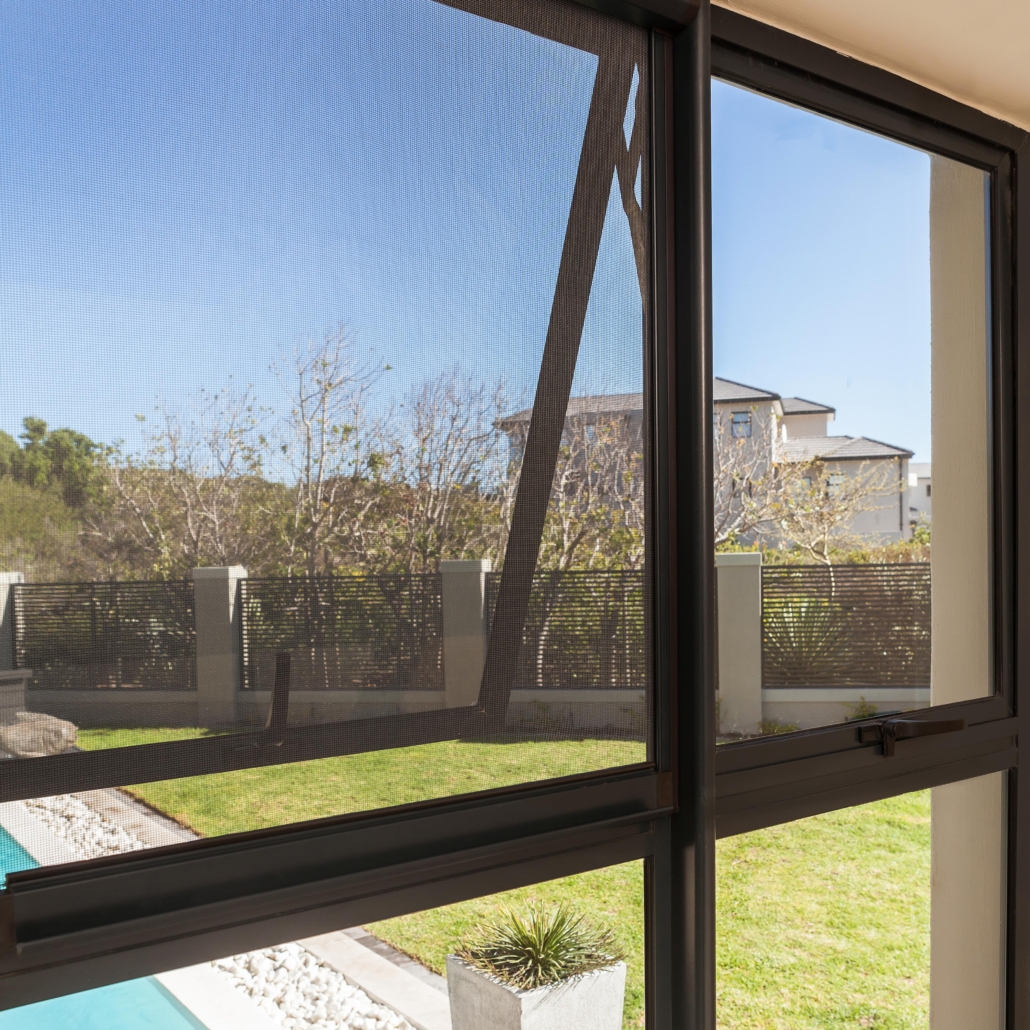
Choosing mosquito mesh sounds simple until you realise how many tiny decisions shape the comfort of your home. The right choice keeps insects out while letting air drift through freely, along with enough daylight to keep rooms warm and open.
The wrong choice blocks your view or tears after a single season. Understanding materials, mesh size and frame design helps you land on a solution that protects your home without compromising the way you live in it.
Start with the Material That Suits Your Space
Mosquito mesh is available in a handful of core materials, each shaped by its own strengths. Fibreglass remains the go-to for many households because it’s corrosion resistant and gentle on the budget.
It bends slightly during installation while keeping its shape once fitted, which makes it a practical option for everyday openings.
Aluminium mesh steps things up with extra durability, especially in regions where strong winds, dust or regular handling exposes screens to more wear. It resists rust while offering a crisper, more structured finish that suits modern window frames.
Stainless steel sits at the premium end, chosen when homeowners want long-lasting protection as well as extra resilience against pets, stormy weather or coastal moisture. It costs more yet brings a level of strength that pays for itself over time.
Match Mesh Size to Your Local Pest Problem
Mesh size refers to how many holes appear per linear inch. A standard mosquito mesh usually sits around 18×16 or 18×18, which blocks most mosquitoes while allowing good airflow.
Areas with smaller insects like sandflies or midges sometimes need a tighter weave such as 20×20 or 24×24. While the tighter mesh blocks more pests, it lets in slightly less air, so there’s always a trade-off to weigh carefully.
Homes near rivers, wetlands or gardens often benefit from finer mesh because insect activity surges along these green belts. If your priority leans toward ventilation, stick with a mid-range size that creates enough of a barrier without dulling the breeze.
Choose a Frame Type That Fits How You Use Your Windows
Frames shape how smoothly your mesh works day to day. Fixed frames suit windows that stay shut most of the time while providing reliable, low-maintenance defence. They fit neatly into the window opening, creating a sturdy border that rarely needs attention.
Hinged frames offer quick access as well as easy cleaning. They open like a small door, which works well for kitchens or bathrooms where windows are opened regularly. Sliding frames fit wider openings that need mesh to move in tandem with the window.
They glide along a track, providing ventilation without compromising the barrier. Magnetic frames suit renters or those looking for a lighter touch because they attach directly to the window with magnetic strips, letting you remove them quickly when needed.
Bringing It All Together
Choosing the right mosquito mesh means balancing airflow and ease of use. Think about how your windows open, the insects common to your area and the look you want to maintain. When these elements line up, you shape a home that feels breezy and bright while keeping the buzzing world firmly outside.

