

Flyscreens: Enhancing Indoor Air Quality & Allergy Control
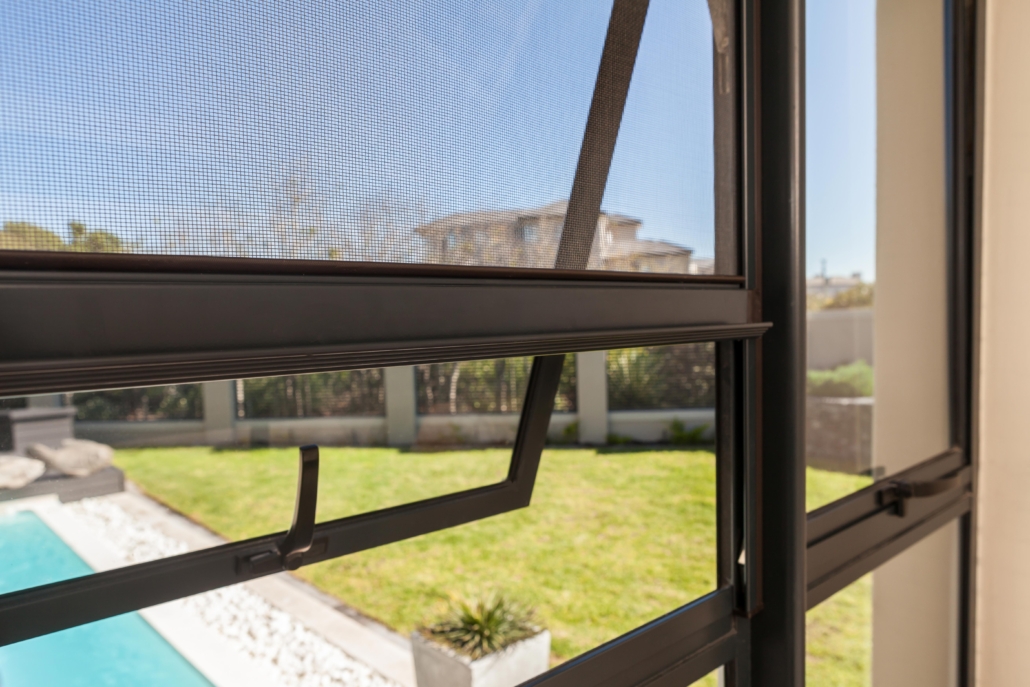
Flyscreens are mesh barriers fitted to windows and doors that allow fresh air into your home while helping reduce the entry of insects, pollen and larger airborne particles. Although they are not air filters, they can contribute to a cleaner, more comfortable indoor environment, especially during allergy season.
Key takeaways:
- Flyscreens support natural ventilation while helping limit some airborne particles entering through open windows
- They can help reduce the amount of pollen, dust and flying insects that enter a home compared to an open, unscreened window
- They are not a medical treatment or air filtration system, and work best alongside regular cleaning and ventilation
- Finer mesh weaves can help with pollen, though this comes with a small trade-off in airflow
- Available in fibreglass, aluminium and stainless steel mesh, depending on the priority
- Custom-manufactured to fit almost any window or door opening
- Easy to clean, which matters more during high pollen seasons
How Do Flyscreens Improve Indoor Air Quality?
Flyscreens work by acting as a physical barrier across an open window or door. Air passes through the mesh freely, but larger airborne material, insects, dust, and to some degree pollen, gets caught at the surface rather than drifting into the room.
This means you can keep windows open for ventilation on a warm day without the usual trade-off of dust and insects settling on surfaces, curtains or furniture near the opening.
It’s worth being precise about what this does and doesn’t do. Flyscreens are not an air filtration system, and they don’t purify the air already inside a room.
What they do is reduce how much additional airborne material enters through an open window compared to leaving it unscreened, which is a smaller but still meaningful contribution to a cleaner indoor environment.
Can Flyscreens Help Allergy Sufferers?
For people sensitive to pollen, dust or insect allergens, flyscreens can help reduce one entry point for those particles: open windows.
They’re not a treatment for allergies and shouldn’t replace advice from a healthcare provider for anyone managing diagnosed allergies or asthma. What they can offer is a practical way to keep a home ventilated during pollen season or insect-heavy months without leaving windows fully exposed.
Combined with regular cleaning and good ventilation habits, flyscreens are one part of a broader approach to managing airborne allergens indoors, rather than a standalone solution.
Which Airborne Particles Can Flyscreens Help Reduce?
Pollen
Standard mosquito mesh (around 18×16 to 18×18 holes per linear inch) catches larger pollen grains reasonably well, though very fine pollen can still pass through most residential mesh. A tighter weave improves this somewhat, at a small cost to airflow.
Dust
Larger dust particles carried on the breeze are caught at the mesh surface rather than settling inside on furniture, floors and curtains near the window. Fine household dust generated indoors isn’t affected, since that’s not coming through the window in the first place.
Flying Insects
This is what flyscreen mesh is most effective at. Standard fibreglass or aluminium mesh reliably blocks mosquitoes, flies and most other flying insects while maintaining strong airflow through the screen.
Choosing the Right Flyscreen Mesh for Allergy Sufferers

Mesh choice involves a trade-off between filtration and airflow. Standard mosquito mesh (18×16 to 18×18) is the common default, blocking most insects and larger particles while keeping ventilation strong.
For homes in high-pollen areas, gardens, or near open green belts, a tighter weave such as 20×20 or 24×24 can help reduce pollen entry further, though it slightly reduces the breeze coming through.
Our mosquito mesh guide covers material and mesh-size choices in more detail if you’re deciding between options for a specific room or season.
Flyscreens vs Open Windows
| Feature | Flyscreens | Open Windows |
| Fresh air | Yes | Yes |
| Insect protection | Yes | No |
| Reduced pollen entry | Partial | No |
| Better indoor comfort | Yes | No |
| Improved ventilation | Yes | Yes |
Benefits Beyond Allergy Control
Flyscreens also reduce reliance on air conditioning, since they make it more practical to keep windows open on warmer days. They help protect furniture, carpets and curtains from sun-related fading by working alongside window coverings, and reduce general dust build-up near open windows. For homes with pets, a pet-resistant stainless steel mesh option holds up to scratching far better than standard fibreglass.
Maintenance Tips
Regular maintenance matters more during high pollen periods, since mesh can accumulate a visible layer of pollen and dust that reduces airflow if left unattended. Wipe frames and mesh down with a damp cloth during pollen season, and check tension periodically, since a loose screen both rattles and creates small gaps that reduce its effectiveness. Our full flyscreen maintenance guide covers seasonal cleaning routines in more detail.
Frequently Asked Questions
Do flyscreens help with allergies?
Flyscreens can help reduce the amount of pollen, insects and larger airborne particles entering through open windows, which may contribute to a cleaner indoor environment. They aren’t a medical treatment for allergies.
Can flyscreens improve indoor air quality?
They support natural ventilation while helping limit some outdoor contaminants from entering, but they aren’t a replacement for dedicated air filtration systems.
Which mesh is best for allergy sufferers?
A finer mesh weave may help reduce pollen entry somewhat, though the ideal choice depends on your location, local pollen levels and how much you’re willing to trade off for airflow.
Are flyscreens suitable for asthma sufferers?
Flyscreens may help reduce some airborne particles entering a home, but anyone managing asthma or diagnosed allergies should follow guidance from their healthcare provider rather than relying on flyscreens alone.
What’s the difference between standard flyscreens and finer allergy-focused mesh?
Standard mosquito mesh prioritises airflow and general insect protection. Finer mesh weaves catch more fine particles like pollen but reduce airflow slightly in exchange.
House of Supreme is a proud affiliate member of the South African Institute of Architects (SAIA), a standard that speaks to the quality and workmanship behind our full product range, from shutters and blinds to flyscreens.
Do you have more questions about our flyscreens, or would you like to request a quote? Email info@houseofsupreme.co.za or call our head office on 011 462 7096 for help.

