

Do Shutters Help with Heat and Insulation?
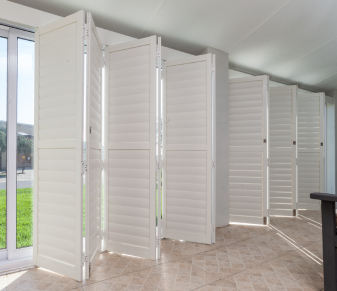
Uncovered windows allow substantial heat to pass into a home throughout the day. In warm South African homes, sunlight through plain glass can change the whole mood of a room. Not in a poetic way, but in a “why is this room hotter than the rest of the house?” way.
Large windows bring in light and give a home a more open look. They can also bring a few less welcome extras:
· Too much heat through the glass
· Glare makes the room harder to use
· UV exposure slowly damages soft furnishings
· Indoor temperatures that are hard to manage
West-facing rooms usually start the day without any issues. By early afternoon, things change quickly once the sun starts pushing directly through the glass.
What was comfortable earlier suddenly turns stuffy, overly warm, and difficult to spend time in for long. Air conditioning can cool it down, although it is not much of an answer when you need it every day. Shutters offer a more sensible first line of defence because they reduce the heat before it spreads through the room. Most people initially choose shutters for:
· Privacy
· Aesthetics
· Security
· Light control
One thing people do not always think about with shutters is the difference they can make in winter.
Houses lose heat through windows more than many homeowners realise, especially in period properties where insulation standards are not exactly modern. Properly fitted shutters are not going to transform an older house into a newly built one with sealed insulation everywhere, but they do place another barrier between the room and the colder air outside, which can help rooms feel warmer.
Are shutters useful for reducing indoor heat?
In the right room, yes. Windows are one of the first places heat gets in, and shutters help deal with that at the source. Good fitting is important, because loose panels or poor frames will not do much beyond blocking light.
Why Windows Are a Major Source of Heat Gain
People sometimes underestimate how weak glass is as a barrier against heat. Modern window systems can reduce some of the heat gain, yet a normal residential window is still not much of a shield when the sun is sitting on it.
Afternoon sun is the one to watch because it can push warmth into a room quite aggressively. Heat enters through:
· Solar radiation
· Conductive heat transfer
· Trapped warm air near glass surfaces
Once the heat enters the room, it becomes difficult to remove naturally. This is why rooms with large, uncovered windows often experience:
· Hotter afternoons
· Inconsistent temperatures
· Glare discomfort
· Increased cooling costs
Sources of Indoor Heat Gain
| Source | Impact |
| Direct sunlight | Raises room temperature |
| Uncovered glass | Increases solar transfer |
| Poor insulation | Traps heat indoors |
| West-facing windows | Strong afternoon heat |
| Large openings | Greater thermal exposure |
South African conditions intensify this problem further. Homes in Johannesburg, Pretoria and many inland regions experience:
· High UV exposure
· Strong dry heat
· Prolonged afternoon sunlight
The result is that untreated windows often become thermal weak points within the home.
How Shutters Reduce Heat
The reason shutters can make a room easier to manage in warm weather is partly down to control. With bare glass, the sun comes in on its own terms.
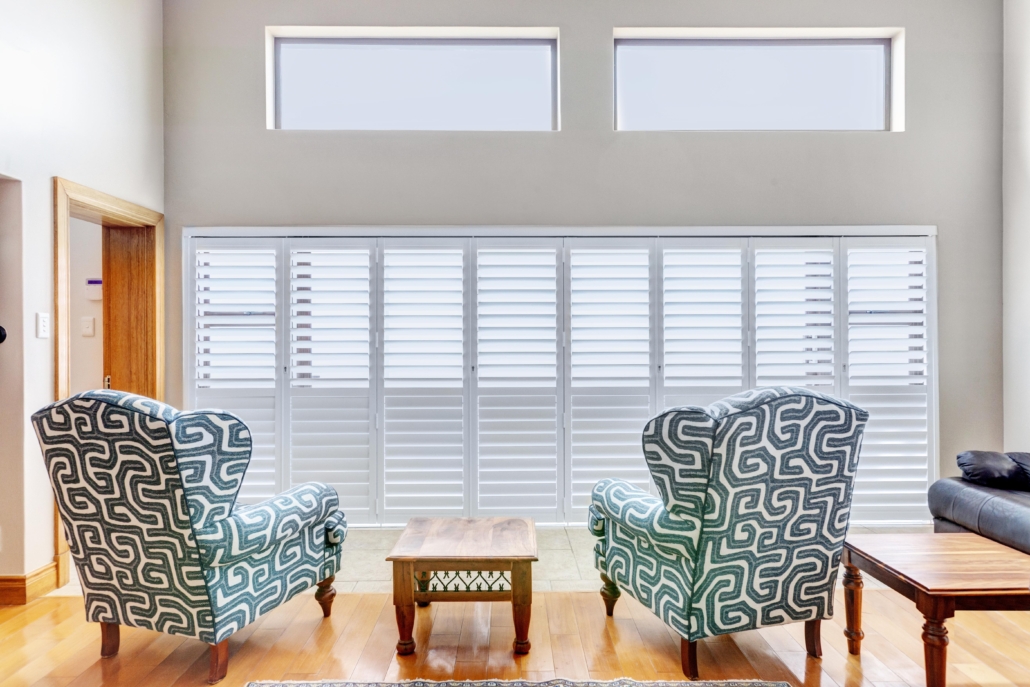
Louvres can be angled so the strongest sun hits the shutter instead of spreading through the room. Closed panels then leave a narrow air gap between the shutter and glass.
Heat still gets through eventually, because no window covering blocks everything, but it has a slower path than it would through exposed glass alone.
Why louvre control helps with heat and glare
With shutters, the choice is not simply bright sun or a closed-off room. Homeowners can angle the louvres during the day, letting in air and softer daylight while cutting back glare. Heat is part of the same argument. Once sun hits the glass, tilted or closed shutters can limit how much warmth reaches the living space.
The other benefit is ventilation control. Unlike fixed window coverings, shutters allow homeowners to:
· Redirect harsh sunlight away from the room
· Let fresh air pass through
· Soften bright natural light
· Reduce glare on screens, floors, and furniture
· Adjust the room during different parts of the day
During harsh afternoon sun, shutters offer a more balanced option than blackout coverings. The room still gets light and air, without the heat feeling too heavy.
How Shutters Improve Thermal Comfort
| Function | Result |
| Blocks direct sunlight | Less solar heat gain |
| Creates insulation layer | Slower heat transfer |
| Controls airflow | Better ventilation |
| Reduces glare | Improved comfort |
| Filters UV exposure | Protects interiors |
A room does not need a big temperature drop to become more comfortable. Less direct sunlight means less harsh heat coming through the window.
Do Shutters Actually Improve Insulation?
Yes, especially when they are custom fitted correctly. Poorly fitted window coverings allow airflow gaps around the edges, reducing thermal performance significantly. Custom shutters, however, fit tightly within or around the window opening, helping reduce:
· Heat penetration
· Air leakage
· Direct radiant transfer
This creates a more thermally stable interior environment.
Where shutters make the difference with window insulation
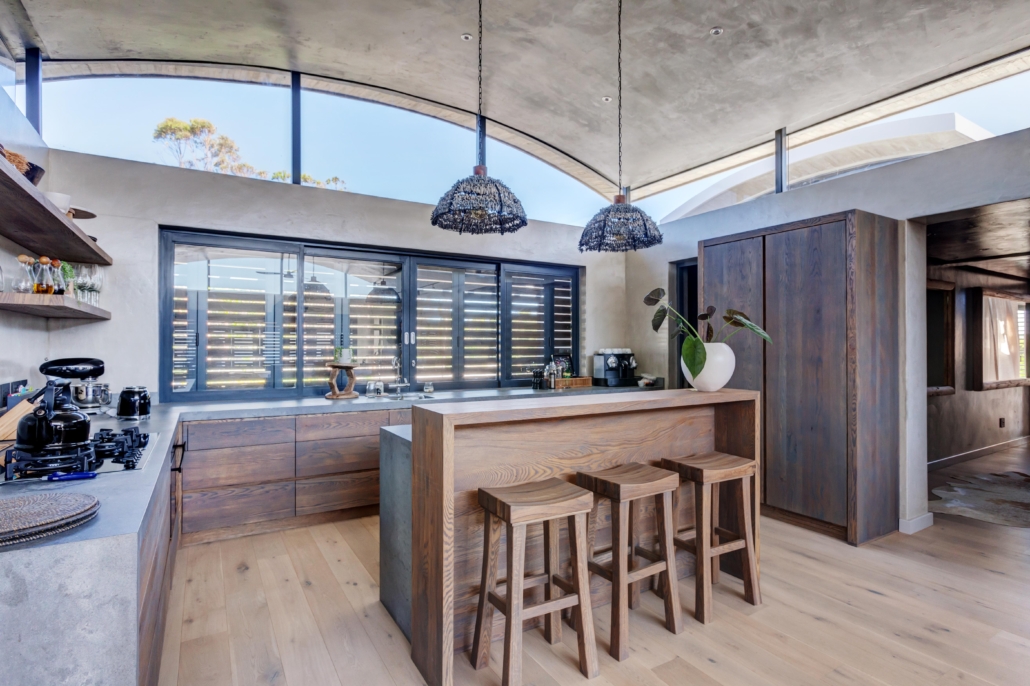
A snug shutter fit creates an extra layer between the room and the windowpane. This slows heat passing through the glass, which can make the room easier to manage in summer heat and colder months. The effect is often most noticeable in:
· Bedrooms
· West-facing rooms
· Double-volume spaces
· Home offices
· Entertainment areas
In winter, shutters can also help slow indoor heat loss through windows during cooler evenings.
Insulation Comparison
| Window Covering | Insulation Performance |
| Shutters | High |
| Curtains | Moderate |
| Roller blinds | Low–moderate |
| Bare windows | Very low |
Some people assume shutters solve insulation concerns entirely, which is not really the case, but they do help reduce some of the cold coming off window areas.
Which shutter material blocks heat best?
Two shutters might appear identical from the outside, but insulation can vary quite a bit between them.
Much of it comes down to the material itself, since heat passes through each one differently depending on density, composition, and surface build.
Comparing shutter materials for insulation (Wood, PVC, Aluminium)
Many builders prefer wood or PVC where insulation is concerned as both materials slow down heat movement more effectively than metal-based alternatives. Aluminium needs better construction behind it. Poorly fitted aluminium will disappoint homeowners, while a well-made one can still do the job sufficiently.
Wood Shutters
Timber naturally insulates well because wood is a poor heat conductor, which helps reduce:
· Surface heat transfer
· Radiant warmth
· Indoor temperature fluctuation
Wood shutters are particularly effective in:
· Bedrooms
· Lounges
· Studies
· Interior living spaces
In rooms like these, wood makes more sense because the shutter is there to help with warmth, not to battle outdoor conditions.
PVC Shutters
PVC also performs strongly thermally. Because it resists heat transfer effectively and handles moisture well, PVC shutters work particularly well in:
· bathrooms
· kitchens
· humid regions
· sun-exposed interiors
Aluminium Shutters
Aluminium will never insulate like timber or PVC, but the right shutter system can still improve heat control by:
· Blocking sunlight effectively
· Reducing direct solar exposure
· Improving shading
· Creating airflow control
Aluminium also performs exceptionally well outdoors and in coastal climates.
Thermal Performance by Material
| Material | Heat Reduction Performance |
| Wood | Excellent |
| PVC | Excellent |
| Aluminium | Good |
| Uncovered glass | Poor |
The material helps, but poor installation can undo part of that advantage.
Heat Control with Shutters, Blinds and Curtains
A hot room usually tells you where the window covering falls short. Curtains dull the light, rather than blocking much at the glass. Blinds help with angle and glare, not edge leakage. Shutters give a firmer barrier because they are part of the window opening. The fitted structure improves:
· Insulation consistency
· Light control precision
· Airflow management
· Thermal stability
Are shutters better insulators than curtains?
Shutters will perform better where the fit is good. They create a firmer break between the room and the glass, while curtains depend heavily on fabric thickness, lining and how they hang.
Heat Control Comparison
| Window Covering | Heat Reduction | Light Control | Longevity |
| Shutters | High | Excellent | Long |
| Curtains | Moderate | Moderate | Medium |
| Roller blinds | Moderate | Good | Medium |
| Venetian blinds | Low | Good | Medium |
Another advantage is durability. Fabric curtains exposed to strong sunlight often:
· Fade
· Deteriorate
· Trap dust
· Absorb heat
In rooms with regular sun, shutters have a durability advantage. Fabric window coverings can start to look worn sooner, but shutters are less exposed to those same weaknesses, so they give homeowners a more reliable long-term option.
Best Shutters for Hot South African Climates
South African homes face unusually demanding sunlight conditions. Strong UV exposure, dry inland heat, and extensive glazing have made passive cooling increasingly important in modern architecture. This is particularly relevant in:
· Johannesburg
· Pretoria
· Bloemfontein
· Limpopo
· North West Province
where afternoon heat buildup becomes significant.
West-Facing Windows
These receive the harshest afternoon sunlight and benefit enormously from adjustable louvre control.
Patio Doors and Entertainment Areas
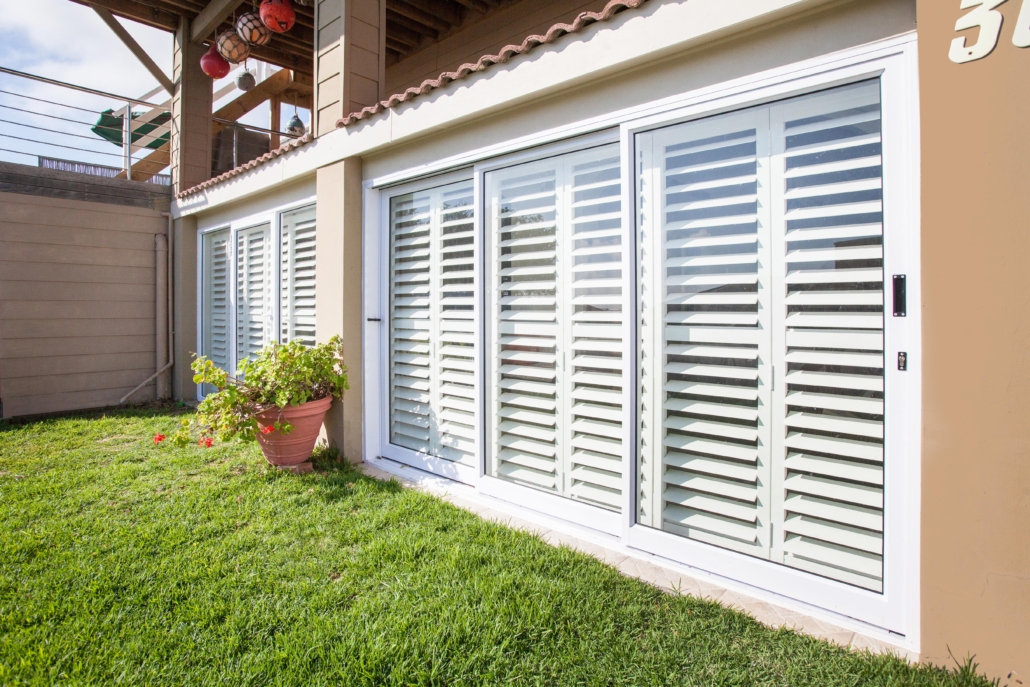
Large sliding openings often become major heat-entry points. Aluminium shutters work especially well here because they combine:
· shading
· airflow control
· durability
· structural stability
Best Applications for Heat-Reducing Shutters
| Area | Recommended Shutter Type |
| West-facing rooms | PVC or timber shutters |
| Patio doors | Aluminium shutters |
| Bedrooms | Full-height shutters |
| Home offices | Adjustable louvre shutters |
| Coastal homes | Aluminium shutters |
Do Shutters Help Lower Energy Costs?
Reducing solar heat gain naturally can decrease reliance on mechanical cooling. That does not mean shutters eliminate the need for air conditioning entirely. But they often reduce:
· cooling intensity
· cooling frequency
· glare discomfort
· peak afternoon temperature spikes
Can shutters lower aircon costs?
Yes. Where windows take direct sun, shutters can soften heat build-up through the glass and improve window insulation, which means cooling systems do not need to do as much. The benefits tend to increase in rooms with:
· Large windows
· Direct afternoon sunlight
· Poor natural shading
· Double-volume ceilings
Potential Benefits of Heat-Reducing Shutters
| Benefit | Impact |
| Reduced solar gain | Cooler interiors |
| Lower glare | Improved comfort |
| Less AC dependence | Reduced energy use |
| UV reduction | Protects furniture |
| Better insulation | Stable temperatures |
Less glare from the window can leave the room easier to occupy during warmer hours.
Thermal Performance Issues Caused by Common Shutter Errors
Not every shutter contributes equally towards indoor temperature control throughout the year. Installation faults, poorly fitted components, and unsuitable shutter designs can limit thermal efficiency quite significantly.
Poor Installation Gaps
Large gaps around the frame allow heat leakage and reduce insulation performance.
Incorrect Material Selection
Using the wrong material for the environment limits thermal efficiency.
Fixed Closed Louvres
Completely sealing airflow during hot periods can trap heat unnecessarily.
Cheap Imported Systems
Budget imported systems are commonly produced with lighter construction materials and finishes that do not age well under changing temperatures.
Thermal performance can gradually decline as constant exposure to heat places strain on weaker components and thinner frame sections.
Recurring System Problems and Practical Ways to Address Them
| Problem | Better Solution |
| Poor fitment | Custom-made shutters |
| Excessive heat buildup | Adjustable louvres |
| UV fading | Quality finishes |
| Weak insulation | Properly sealed systems |
| Coastal corrosion | Powder-coated aluminium |
The most effective shutter systems balance:
· Shading
· Insulation
· Ventilation
· Durability
What I Would Recommend for Heat Reduction
For most South African homes, shutters absolutely help with heat control when selected and installed correctly. The strongest approach depends on the space.
What type of shutters reduce heat most effectively?
PVC and wood shutters are often more suited for indoors where insulation is part of the daily comfort, especially in areas that trap the afternoon heat.
aluminium shutters are usually placed the exterior or around larger openings since they can deal with more severe circumstances, especially in coastal locations where exposure to the weather is more of a problem.
Practical Recommendations
| Situation | Best Recommendation |
| Hot west-facing room | PVC or timber shutters |
| Coastal property | Aluminium shutters |
| Bedroom insulation | Full-height shutters |
| Patio heat control | Aluminium louvre shutters |
| Home office glare reduction | Adjustable shutters |
Shutters are more effective when treated as one part of a wider passive cooling approach throughout the home rather than a standalone solution. They might not eliminate heat entirely, but they can significantly improve:
· Thermal comfort
· Glare reduction
· Temperature stability
· Energy efficiency
Most homeowners are not only trying to cool down a room, since appearance, privacy, and better day-to-day comfort usually form part of the decision as well.
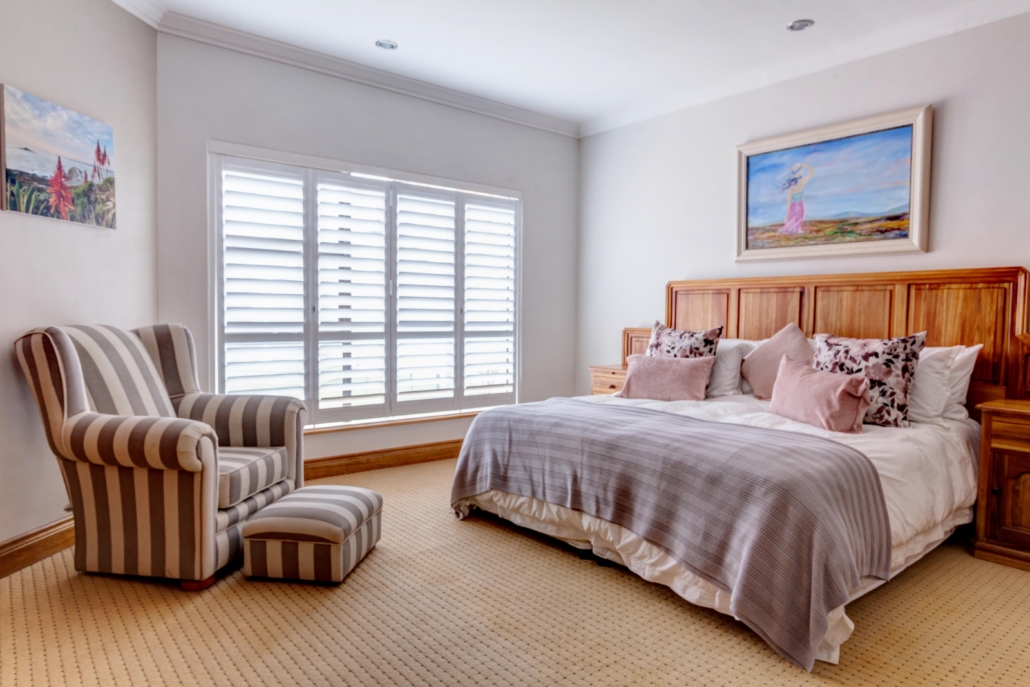
Frequently Asked Questions
Do shutters help keep a room cool?
Yes. Shutters help cut back some of the heat coming through the windows during hotter weather.
Are shutters better than blinds for heat reduction?
Yes. Shutters usually reduce indoor heat more effectively since they cover the window more completely and allow more precise light adjustment.
Which shutters are best for hot climates?
PVC and aluminium are frequently selected for hotter conditions due to heat and moisture resistance, while timber is more commonly installed in sheltered indoor areas.
Do shutters help in winter as well?
Yes. Closed shutters can help to reduce draughts and prevent heat loss via glass on colder nights.
Can shutters lower electricity bills?
Yes. Shutters can sometimes lower energy usage as they help insulate windows and reduce the amount of heat coming in from direct sun exposure.
Are aluminium shutters good for insulation?
Aluminium shutters can assist with insulation by reducing heat entering a room and allowing better air circulation when adjusted properly. Timber and PVC generally provide greater thermal insulation because they do not transfer heat as easily as metal.
Do plantation-type shutters block UV rays?
Yes. Plantation-type shutters can help with UV rays to a degree because less direct sun enters the room once the louvres are adjusted or closed.
Are shutters worth it for energy efficiency?
Shutters are typically an excellent investment for energy efficiency since they restrict heat flow via windows. Rooms with direct sun exposure seem to benefit the most, especially in the warmer portions of the year.
Do white shutters reduce heat better?
Yes. One of the reasons many people choose for white shutters is heat reduction. Darker hues absorb more heat from direct sunshine. Many homeowners use them for brighter areas where the midday heat might increase.
What is the best shutter style for hot rooms?
In warm spaces, adjustable full-length shutters are chosen since they provide more control over light, ventilation, and internal temperature. Fixed styles may trap more heat during warm afternoons.

