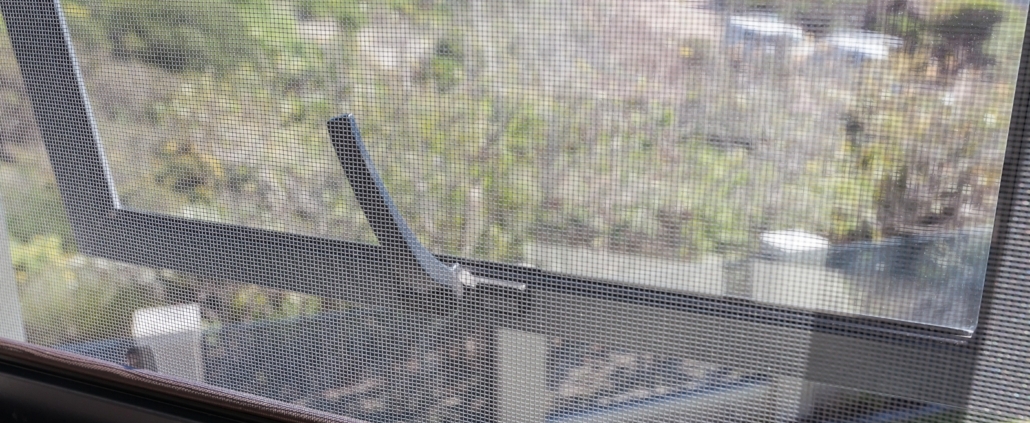
How to Keep Baboons & Monkeys Out with Mesh Screens

Anyone who lives near the bush or the mountain knows the moment. A shadow on the stoep or a quick clatter on the roof followed by the unmistakable confidence of a baboon who has decided your kitchen is now part of his territory.

Baboons and monkeys are clever and persistent but surprisingly gentle when they want to be. They are also opportunistic, which means open windows and sliding doors quickly become invitations. This is why many homeowners are now investing in baboon and monkey screens, durable flyscreens for windows and doors, and even security shutters for homes to create a safer living environment without sacrificing fresh air or natural light.

The good news is that you can protect your home without turning it into a fortress. Insect and monkey screens do the job effectively and without harm. Many modern homeowners also combine mesh protection with custom indoor shutters to improve privacy, ventilation, and overall home security in wildlife-prone areas.

Why baboons and monkeys target homes

Baboons and monkeys are driven by reward. Food smells or visible fruit bowls and even shiny packaging signal an easy win. Once they succeed in entering a space, they remember it. Not only that, they teach others.

Homes near farms, coastal towns or mountain reserves are especially vulnerable because animals move naturally through these areas. They are not being destructive for the sake of it but rather they are adapting and surviving. According to research on baboon behaviour and urban wildlife management, prevention and secure boundaries are far more effective than reactive deterrents.

This is why prevention matters more than reaction. Once an animal associates your home with food, deterrence becomes harder and riskier for everyone involved.

Why mesh screens work so well

Insect and monkey screens create a physical boundary while keeping your home breathable and light-filled. Unlike bars or solid shutters, they do not feel aggressive or enclosed. From the animal’s perspective, however, they are a clear and frustrating stop.

High-quality mesh is designed to resist pulling and chewing. When properly installed, it removes the possibility of entry altogether as there are no gaps or soft points, and therefore no easy wins.

What makes mesh particularly effective is that it works passively. Animals test it once, realise it will not give, then move on.


Choosing the right mesh for baboon and monkey deterrence

Not all mesh is created equal. Standard insect screens will not survive a determined baboon. You need a solution built for strength while still allowing airflow.

Look for mesh that offers:

  • Reinforced stainless steel or heavy-duty aluminium construction
  • A tight weave that resists fingers, claws and teeth
  • Secure framing that is anchored into the window or door structure
  • Corrosion resistance for coastal or high-rainfall areas

The frame matters as much as the mesh itself. Weak fixings create leverage points and baboons are excellent problem-solvers. A well-installed system leaves no room for experimentation.


Where mesh screens make the biggest difference

Windows are the obvious starting point, especially kitchen and bedroom windows that are often left open. Sliding doors are another common entry route because animals can apply pressure along the track.

Roof vents or bathroom windows and high-clerestory openings are often overlooked. Unfortunately, baboons notice everything, so that securing these smaller access points completes the system and removes temptation.

Mesh can also be used on enclosed patios and scullery doors for farms or holiday homes, allowing you to ventilate spaces without anxiety.


Living comfortably alongside wildlife

Mesh screens for sale allow you to live normally. Windows stay open and fresh air moves through the house. As a result, you hear birds instead of alarms.

Many homeowners also pair mesh systems with custom indoor shutters to improve light control, privacy, and insulation while maintaining a clean, modern look throughout the home.

There is also a strong ethical upside. Physical barriers reduce conflict because wild animals are not trapped, startled or harmed. The animals simply fail to gain access and redirect their energy elsewhere.

Over time, this helps reinforce natural boundaries. Wildlife learns where food is not available, which benefits both the animals and the people sharing the environment.

Maintenance and long-term performance

A quality mesh system requires very little upkeep. An occasional rinse removes dust and salt, while a quick visual check sees that fixings remain secure.

Because mesh does not rely on moving parts, it ages well. Sun, wind and rain have far less impact than they do on electronic deterrents or temporary barriers. Once installed, a mesh screen does its job year after year.


A smarter way to protect your home

Keeping baboons and monkeys out does not require fear or force, but foresight.

Mesh screens offer a humane and visually subtle solution that respects both your space and the surrounding environment. They strengthen your home while preserving openness and calm. Many homeowners also pair mesh systems with security shutters for homes to create an added layer of protection against wildlife intrusion while still maintaining ventilation and visibility.

When wildlife lives close by, the goal is balance. With the right mesh in place, that balance becomes easier to maintain, day after day.
Maintaining and Cleaning Mesh Screens: Tips for Longevity

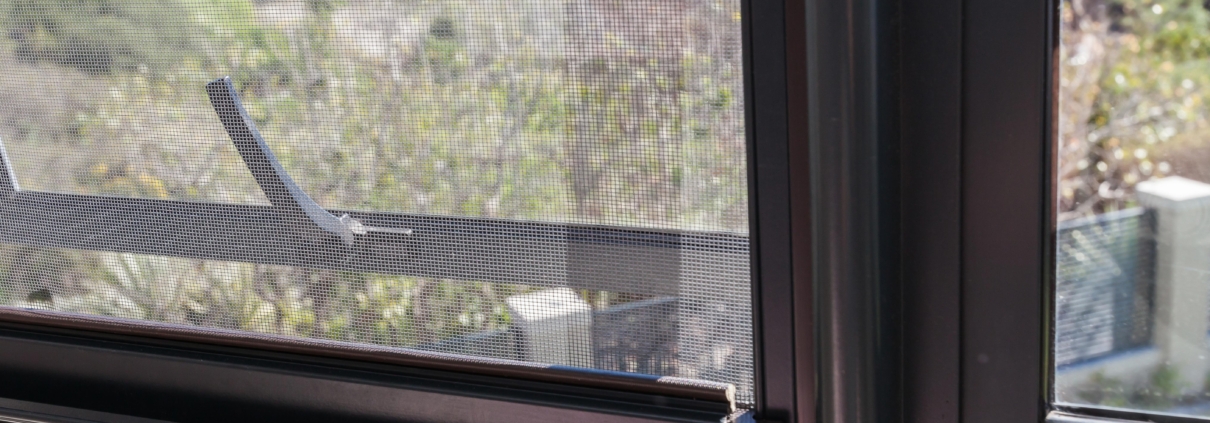
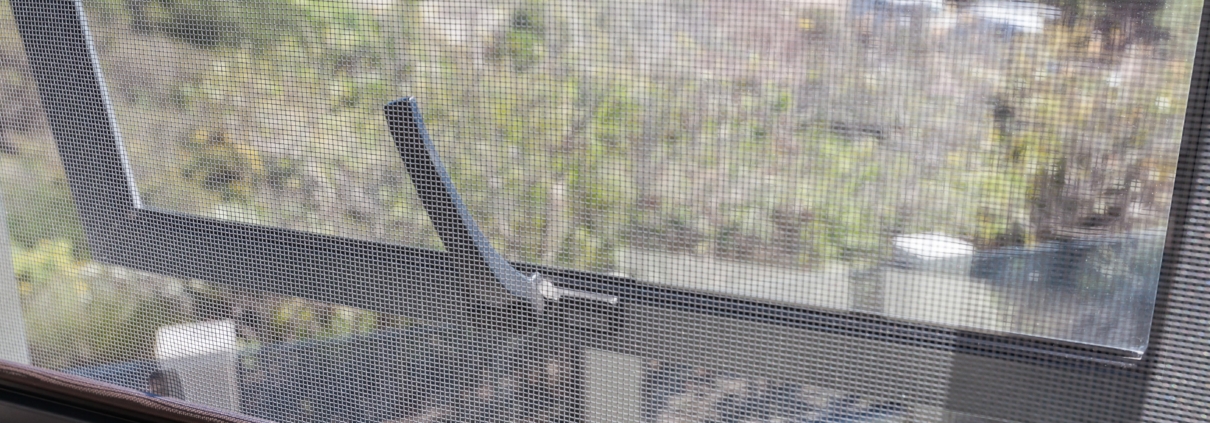
Mesh screens are low-profile and easy to overlook, which is often why people forget they need attention. A little care goes a long way though, especially when wind and dust place constant pressure on the material.  

Proper cleaning shapes how well your screens perform, while maintenance decisions determine how long they last. When you combine both, you protect the frame and keep the mesh looking crisp rather than tired. 


Start with a Gentle Clean 

The first step is simple: remove surface dust before it settles deeper into the weave. A soft brush attachment on a vacuum lifts loose debris while protecting the fibres.  

Light strokes work best, especially on fibreglass or fine aluminium mesh, because pressing too hard warps the material. You can follow this with a dry microfibre cloth to catch whatever lingers along the frame. 

A more thorough wash suits screens that face busy roads or windy areas where grit builds up quickly. Slip the screen from the window or door, then rinse it gently.  

A bucket of warm water mixed with a mild detergent breaks down dirt without damaging the coating. Let the soapy water glide over the mesh rather than scrubbing aggressively. This keeps the structure intact while clearing away residue. 

Once clean, rinse the screen until the water runs clear. Shake off the excess, let it drip dry upright, then return it to the frame only when completely dry to prevent mould or streaking across your glass. 


Tackle Stubborn Marks with Care 

Dust is easy, but sticky grime or fingerprints call for a slightly stronger approach. A soft sponge dipped in the same mild detergent mix works well. Move in small circles while keeping pressure light.  

This action loosens buildup and protects the mesh from stretching out of shape. 

Oil-based marks can appear on mesh screens near braai areas or outdoor kitchens. These respond to diluted vinegar or a specialised screen cleaner. Both cut through grease while maintaining the mesh’s integrity.  

Avoid harsh chemicals or abrasive scouring pads because they scratch the coating and shorten the screen’s lifespan. 


Don’t Forget the Frame 

While the mesh takes centre stage, the frame plays an equal part in longevity. Aluminium and uPVC frames gather dirt along their edges, particularly in corners where dust settles.  

Wipe them down with a cloth soaked in warm soapy water, then dry thoroughly. This routine prevents buildup while keeping sliding mesh screens moving smoothly. 

Fixed screens benefit from the same attention. Dust gathers where the frame meets the window sill, so clearing this area improves airflow while reducing the chance of insects slipping through small gaps. 


Keep an Eye on Tension and Alignment 

Over time, mesh can loosen slightly, particularly when exposed to strong wind or pets leaning against the screen. A loose screen rattles, catches dust more easily and creates small openings where insects can sneak in.  

Checking tension every few months allows you to spot issues early. Many modern frames include tensioning systems that let you adjust the fit yourself. If your screen doesn’t have this feature, a quick visit from a professional helps restore the structure. 

Alignment is just as important. A screen that doesn’t sit neatly in its track struggles to open or close, while friction along one side leads to wear.  

Sliding screens benefit from occasional lubrication using a silicone-based spray, which supports smooth motion while preventing dust buildup along the rollers. 


Seasonal Deep Cleaning 

While quick monthly cleans keep screens looking fresh, a deeper seasonal refresh supports long-term performance. This involves removing all screens, washing them thoroughly, inspecting the mesh for snags and checking the frame for small cracks.  

Doing this ahead of summer means your screens face peak insect season in top condition, while a post-winter clean clears away dust that settles during cold, windy months. 

If you live near the coast, salt can cling to the mesh. A gentle rinse every few weeks prevents corrosion while preserving the sleek finish. Inland homes face fine dust rather than salt, so more frequent vacuuming keeps particles from lodging in the weave. 


Know When a Repair Is Worth It 

Small tears can often be patched, especially if they sit near the frame where the repair blends neatly. Larger holes or mesh that has lost tension across the entire screen usually needs replacement.  

Repairing early extends life and also protects you from the frustration of insects slipping in through unnoticed gaps. 


A Little Attention Goes a Long Way 

Mesh screens thrive when maintained with steady, uncomplicated care. Light monthly cleaning, gentle seasonal washing with quick frame checks support airflow while extending the life of your screens. 

The goal is simple: screens that look clear, move smoothly and hold their shape season after season. With a thoughtful routine, your mesh screens stay strong allies in creating a breezy, comfortable home. 

How to Keep Insects Out with Flyscreens

South African summers have a way of drawing you outside while encouraging every flying creature to drift inside. Mosquitoes drift through open windows at dusk and moths swirl toward warm kitchen lights as though personally invited.  

You want the fresh air without the buzzing chaos, which is where flyscreens step in and quietly change how you live at home. 


Why Flyscreens Work So Well in South African Homes 

Our climate gives insects plenty of reasons to thrive. Warm evenings, long summers and intermittent rains create the perfect breeding conditions, especially for mosquitoes and midges.  

Traditional methods like aerosol sprays or plugins offer temporary relief, but they often leave traces you don’t want to breathe in. Insect screens offer a cleaner, more consistent solution because they block insects at the source while still allowing airflow to move through your home. 

A well-fitted flyscreen acts as a physical barrier that doesn’t need to be reapplied or replaced every few days. Once installed, it works around the clock without effort from you.  

Not only does this cut down on cluttered insect-control gadgets, it also keeps your home feeling open and breezy, which is exactly how South Africans prefer to live when temperatures rise. 


Different Types of Flyscreens and How They Help 

You’ll find a few flyscreen styles on the market, each doing the same job while offering different benefits. Fixed screens attach to the window frame and are ideal for rooms where windows stay open most of the time.  

Magnetic screens suit homeowners who want a flexible option, as they can be removed for cleaning or winter storage. Sliding and hinged screens work beautifully on doors, allowing you to move in and out with ease while keeping insects out. 

Mesh quality matters as well. Fine mesh blocks tiny insects like midges and fruit flies while still letting light pass through. Stronger, more durable mesh options resist wear and tear, which is helpful in homes with pets or in windy regions where the screen takes more strain. 

The beauty of modern flyscreens lies in their subtlety. They’re designed to disappear into the frame so you can enjoy the view without feeling as if you’ve caged your home.  

In addition to all this, they help reduce reliance on insect sprays, which creates a healthier indoor environment for families with small children or pets. 


What to Consider First 

Before installing flyscreens, look at how you use your windows and doors. A kitchen window that stays open throughout the day may suit a fixed screen, while a living room door leading to the patio benefits from a hinged or sliding option. It’s worth measuring carefully, as even a small gap gives insects the opening they need. 

Professional installation will see that the screen sits flush against the frame, although many homeowners enjoy the simplicity of DIY magnetic screens. Whichever route you choose, the goal remains the same: a tight, seamless fit that keeps the bugs outside where they belong. 

Maintenance is straightforward. A quick wipe with a damp cloth removes dust, while a gentle vacuum lifts pollen and debris that collect over time.  


The Everyday Benefits You’ll Notice Immediately 

The most obvious benefit is fewer insects, but there’s a ripple effect that unfolds in daily life. Your home feels calmer. You sleep more peacefully without the distinctive whine of a mosquito in the dark. You can leave windows open longer, which encourages better airflow while lowering indoor stuffiness during the heat of summer. 

Cooking becomes more enjoyable because flies can’t gather around the kitchen, and your fruit bowl stops turning into a magnet for tiny invaders. Houses near rivers, farms or dam areas benefit even more, as these regions tend to attract a wider range of insects. 


A Simple Upgrade That Changes the Season 

Flyscreens create a home where fresh air moves freely while insects stay outside. For South Africans who want the light and breeze without the bugs, flyscreens offer a practical, long-lasting solution that makes warm seasons far more enjoyable. 

If you’re looking for an effortless way to keep insects out while embracing the best of summer living, flyscreens are one of the easiest upgrades you can make. They suit every home and warm evening that calls for open doors and a gentle breeze drifting through the room. 

Manufacturers, distributors and installers of Flyscreen Supreme – custom fibreglass or stainless steel flyscreens, pet screens and security screens.

Designing a pet-friendly home is less about sacrificing style and more about shaping a space where humans and animals live comfortably together. South Africans treat pets as part of the family, which means our homes need to strike a clever balance between safety and everyday warmth.  

Below are practical ways to create a home that welcomes muddy paws, wagging tails and curious noses while still looking and feeling like a space you love. 


Install Pet Screens

Pet screens are one of the simplest ways to protect your home while giving your pets the freedom they crave.  

These reinforced mesh screens handle claws and excited jumps far better than traditional flyscreens, allowing your dog or cat to move around without tearing through delicate material.  

They help you keep windows and doors open for fresh air while preventing pets from bolting outside or pests from creeping in.  

In a South African climate where summers run hot and insect activity spikes, pet screens create a comfortable, safe flow of breeze through your home without the constant worry of damage. 


Choose Pet-Proof Flooring

Flooring makes or breaks a pet-friendly space. Tiles remain a popular choice, especially in areas like Johannesburg, Durban and Cape Town where warm weather and muddy garden paws go hand in hand.  

Tiles clean easily and resist scratches while offering a cool surface for dogs who like to sprawl out. Vinyl flooring has also caught on because it mimics the look of wood while resisting moisture and stains.  

If you love carpets, consider low-pile options or washable rugs you can refresh in a single afternoon. 


Create Dedicated Pet Zones

Pets thrive when they have a space that feels like their own. A designated pet corner, complete with a cosy bed, favourite toys and storage baskets for leads or grooming items, removes clutter from the rest of the house while giving your pets a predictable routine.  

You can set up a feeding station in a quiet corner of the kitchen so meals don’t become chaotic. These zones help keep your home organised while showing your pets where they fit into the rhythm of family life. 


Use Durable, Washable Fabrics

Living with pets means dealing with fur, drool and the occasional accident. Fabrics that handle real life make all the difference. Look for slipcovers, throws and upholstery made from durable materials that can be washed frequently without losing their colour or texture.  

Microfibre holds up well in busy households while outdoor-grade fabrics bring surprising softness and stand up to scratches. Not only do these fabrics maintain the look of your home, they also remove stress from everyday living since cleanup becomes a quick, simple routine. 


Add Smart Storage Solutions

Pet items multiply fast: leads, harnesses, toys, food packets, grooming brushes. Smart storage anchors your home while keeping those bits and pieces out of the way.  

A built-in cupboard with a pet drawer, a stylish basket next to your pet’s bed or a wall hook for leashes can reshape your space while keeping it tidy. 

In addition to organisation, these small systems help you track what you have, which prevents duplicated purchases and adds a sense of calm to the daily rush. 


Secure Your Outdoor Spaces

Outdoor areas are just as important as the inside of your home. Secure fencing ensures your dogs stay safe while exploring the garden. Shade structures keep pets cool during harsh summer afternoons, especially in hotter provinces.  

If you have a pool, consider a safety cover or fence, as curious pets often wander closer than they should. You can also create a small digging pit for dogs who love to burrow, which redirects their energy away from your flowerbeds. 


Use Non-Toxic Plants and Cleaners

A pet-friendly home is a safe home. Many common garden and indoor plants, such as lilies and certain aloes, can be harmful to pets if chewed. Opt for hardy, pet-safe plants like bamboo palm or spekboom while avoiding anything known to cause stomach upsets.  

The same applies to cleaning products. Choose pet-safe detergents, especially on floors where paws wander all day. In addition to protecting your pets, these choices support a healthier living environment for the entire family. 


Provide Mental and Physical Stimulation

Bored pets are destructive pets. Enrichment tools like puzzle feeders, treat-dispensing toys and scratching posts help pets release energy in positive ways. A window perch lets cats watch the world outside while chew toys keep dogs focused on something other than your shoes.  

These small additions help shape a calm home environment while supporting your pets’ emotional wellbeing. 

Request a Quote