

Flyscreens: Enjoy Fresh Air & A Bug-Free Home
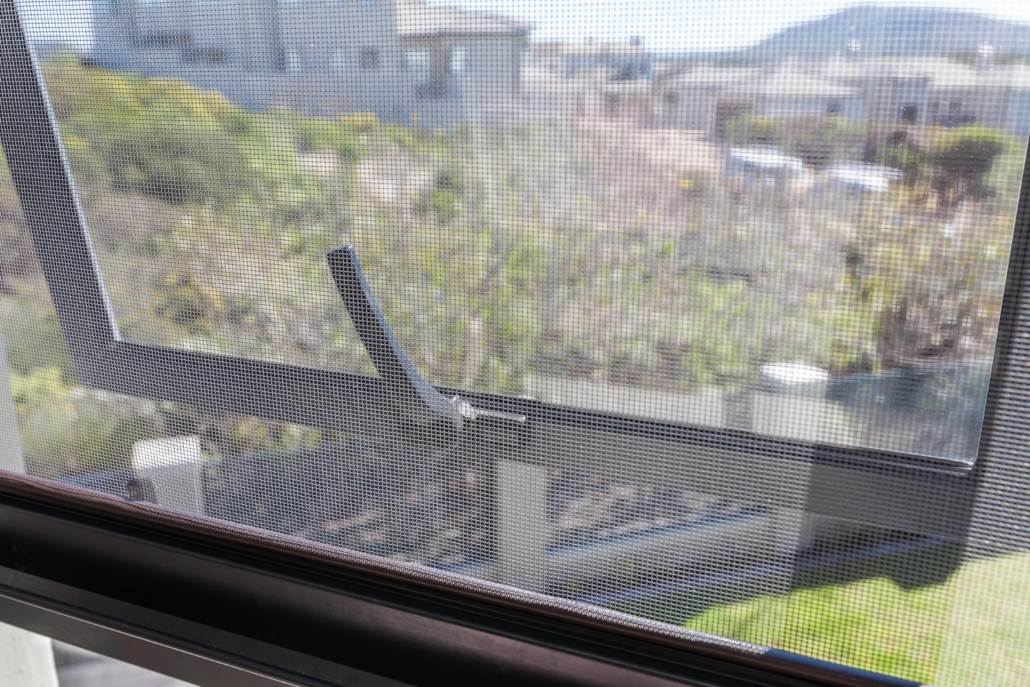
Flyscreens are mesh barriers fitted to windows and doors that keep insects such as flies and mosquitoes out while allowing fresh air to circulate through your home. They improve comfort, ventilation and hygiene without restricting natural airflow, and are available in fixed, retractable, sliding and hinged designs to suit almost any opening.
Key takeaways:
- Flyscreens let you keep windows and doors open for airflow without letting insects in
- Available in fixed, rollerscreen (retractable), sliding and hinged configurations
- Mesh comes in fibreglass, aluminium and stainless steel pet-resistant options
- Custom-made to fit standard and non-standard window and door openings
- Different from security screens, which prioritise forced-entry resistance over insect protection
- Low-maintenance, needing only occasional cleaning and tension checks
- Pricing depends on opening size, application type and mesh choice
What Are Flyscreens?
Flyscreens are mesh panels fitted over windows and doors to block flies, mosquitoes and other insects while still letting air move freely through the opening. Unlike sealing a room shut with air conditioning, they let you keep the natural airflow you’d get from an open window, just without the insects that usually come with it.
House of Supreme’s flyscreens have been part of the Flyscreen Supreme range since 1999, custom-manufactured to fit the exact dimensions of an opening rather than sold as generic, off-the-shelf sizes. Every screen is measured on-site before manufacturing, since window and door openings vary more than most homeowners expect.
Benefits of Installing Flyscreens
The core benefit is straightforward: fresh air without the insects. But flyscreens do more than that. Because they keep windows open more often, they reduce reliance on air conditioning, which helps with both comfort and energy use.
They also improve hygiene, since fewer insects means fewer allergens and less pollen drifting into the home, and can reduce dust build-up on surfaces near open windows.
For coastal and garden-adjacent homes in particular, where mosquito and insect activity tends to be higher, flyscreens make it realistic to keep doors and windows open through summer evenings without the usual trade-off.
Where Can Flyscreens Be Installed?
Flyscreens can be fitted to almost any window or door opening: standard hinged or sliding windows, sliding and stacking patio doors, hinged kitchen and back doors, and even non-standard shapes where the opening isn’t a simple rectangle. Because each screen is custom-measured, unusual sizes and shapes are handled as standard practice rather than a special request.
Types of Flyscreens
Fixed Flyscreens
Fixed screens sit permanently in the window or door opening, offering reliable, low-maintenance protection for openings that stay in one position most of the time. They fit neatly into the frame and rarely need adjustment once installed.
Rollerscreen (Retractable) Flyscreens
Rollerscreen flyscreens roll up into a compact cassette or tube when not in use, similar to a roller blind. This makes them one of the more versatile options, since they work on both windows and doors and stay out of the way when you don’t need them.
Sliding Flyscreens
Sliding screens are the standard choice for patio and stacking doors. The mesh sits within an aluminium frame that runs on rollers along a bottom track, and a mid-rail can be added for stability on larger openings. If a patio door has two sliding panels, it typically needs two matching sliding screens to cover the full opening.
Hinged Flyscreens
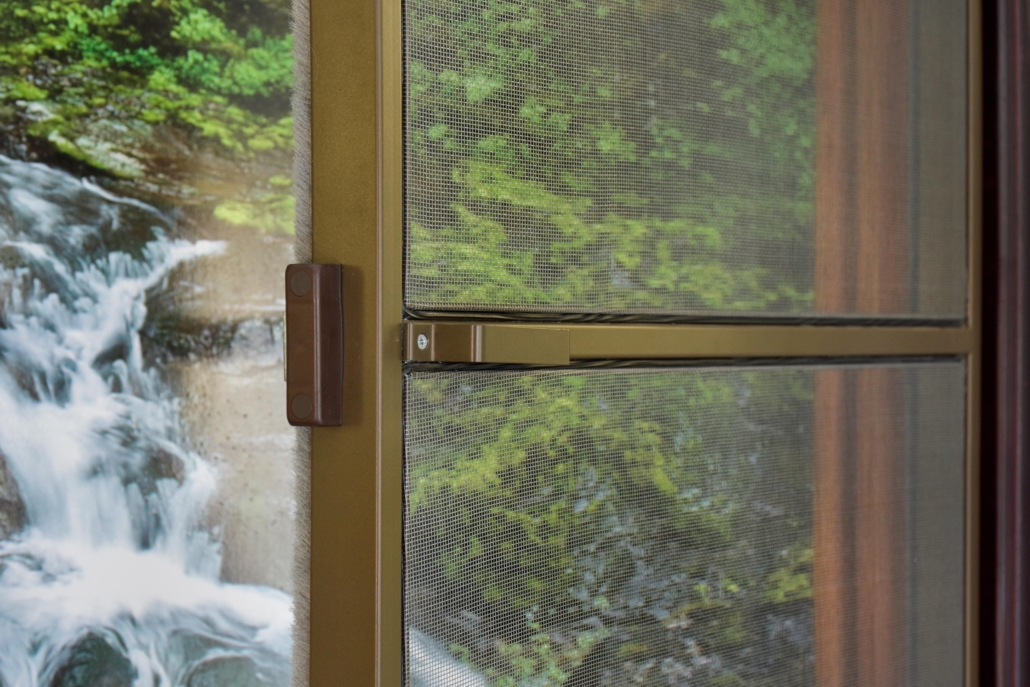
Hinged screens attach to the window or door frame on a hinge, so you pull the screen open to access the window handle, then close it again once the window is open. Most hinged screens use a magnetic lock to keep the screen in place while closed.
Pet-Resistant Mesh Screens
For homes with pets, standard fibreglass mesh isn’t always durable enough to withstand scratching. Pet screens use a tougher, claw-resistant stainless steel mesh instead, available across the same fixed, sliding and hinged applications.
Materials Used
Flyscreen mesh is available in a few core materials, each suited to different needs. Fibreglass is the most common choice: it’s corrosion-resistant, flexible enough to install easily, and budget-friendly for everyday openings.
Aluminium mesh is a step up in durability, holding up well in windier or dustier conditions where screens see more wear. For homes with pets, powder-coated stainless steel mesh resists scratching and clawing far better than standard fibreglass or aluminium options.
Mesh size also matters. A standard mosquito mesh sits around 18×16 to 18×18 holes per linear inch, which blocks most mosquitoes while keeping airflow strong.
Homes near rivers, wetlands or gardens, where smaller insects like sandflies are more common, sometimes need a tighter weave, though tighter mesh does trade off slightly reduced airflow.
Our mosquito mesh guide breaks down how to choose between materials, mesh sizes and frame types for your specific situation.
Flyscreens vs Open Windows
| Feature | Flyscreens | Open Windows |
| Fresh air | Yes | Yes |
| Keeps insects out | Yes | No |
| Better comfort | Yes | No |
| Improved hygiene | Yes | No |
| Mosquito protection | Yes | No |
Flyscreens vs Security Screens
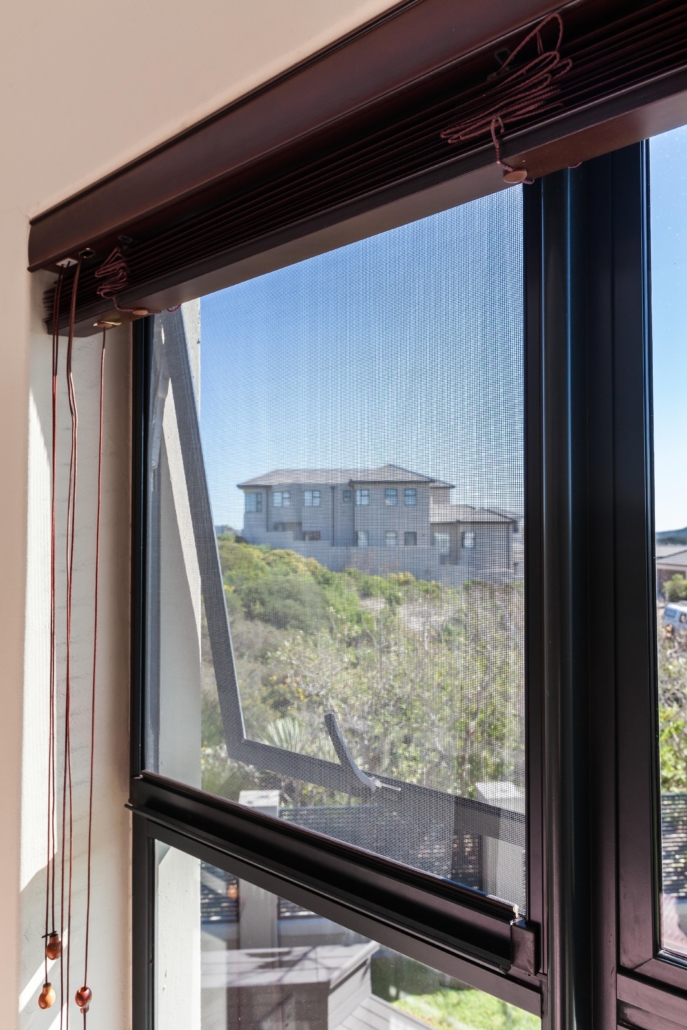
It’s worth being clear on the difference, since the two are often confused. Standard flyscreen mesh is built to keep insects out while staying lightweight and easy to open; it isn’t designed to resist forced entry.
If security is the priority for a specific opening, security shutters or clear armed bars are purpose-built for that, using reinforced frames or embedded steel rather than standard insect mesh.
That said, a heavier-duty stainless steel security mesh screen is available where you want combined insect protection and a stronger physical barrier in one product, so it’s worth specifying which priority matters most for a given opening when you request a quote.
Flyscreen Prices in South Africa
Flyscreen pricing depends on a few factors: whether it’s for a door or window, the size of the opening, the application type (rollerscreen, sash-type, hinged or sliding), and whether you need standard insect mesh or pet mesh.
As a rough guide, sash-type window screens typically range from R600 to R1,600, while rollerscreen windows range from roughly R900 to R1,800 and rollerscreen doors from R1,500 to R2,300 (excl. VAT and installation).
Openings with existing burglar bars or security gates may need extra framing material, which affects the final price. Because every screen is custom-measured, the most accurate way to get a figure is our detailed pricing guide or a personal quote based on your specific opening.
Maintenance Tips
Flyscreens are low-maintenance but benefit from occasional attention. Dust and wipe down frames regularly, particularly in corners where dirt tends to settle.
Oil-based marks near braai areas or outdoor kitchens respond well to diluted vinegar or a specialised screen cleaner; avoid harsh chemicals or abrasive pads, which can scratch the mesh coating.
Check tension every few months, since mesh can loosen slightly with wind exposure or pets leaning against it, and lubricate sliding tracks with a silicone-based spray to keep them moving smoothly. Our full mesh screen maintenance guide covers seasonal care in more detail.
Common Mistakes to Avoid
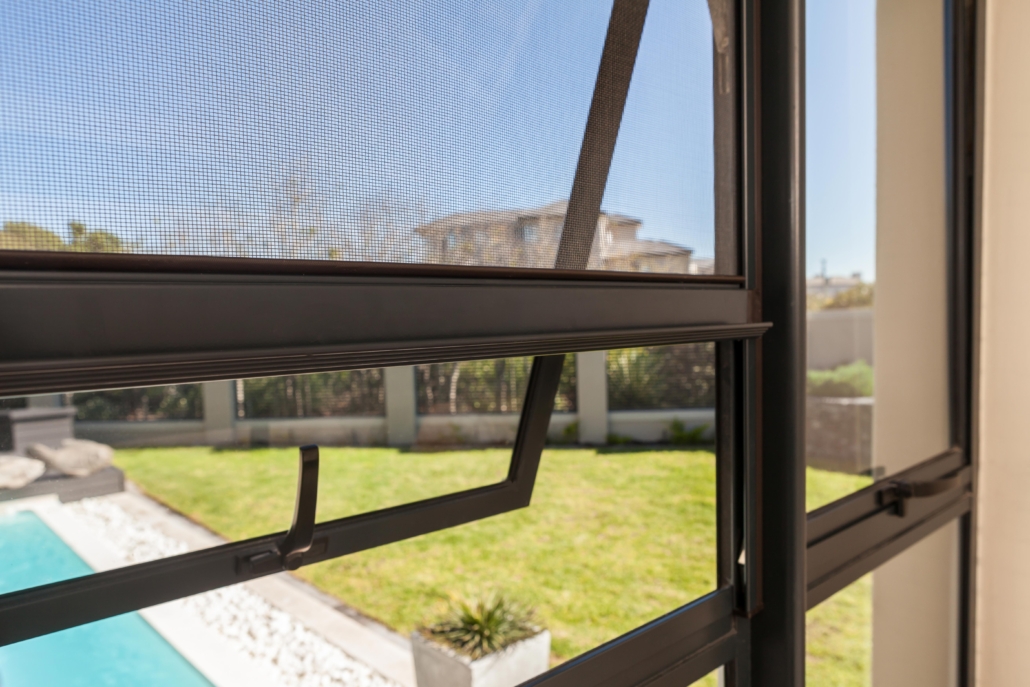
The most common issue is assuming a window or door opening is a “standard size.” In practice, there are hundreds of width and length combinations, and features like tiled recesses or uneven plaster can change measurements between the top and bottom of an opening, so professional measurement matters more than it seems.
Choosing standard fibreglass mesh for a home with pets is another frequent mistake, since it isn’t built to handle scratching the way pet-resistant stainless steel mesh is. Finally, skipping tension checks over time can lead to loose, rattling screens that let insects slip through small gaps.
Why Choose House of Supreme
House of Supreme has manufactured and installed custom flyscreens since 1999, with in-house production and a national distribution footprint across South Africa and into the wider Southern African region.
Insect screens are backed by a 5-year warranty covering workmanship and material defects (excluding fair wear and tear), and every screen is measured on-site by a sales representative before manufacturing to ensure an accurate fit.
House of Supreme is also a proud affiliate member of the South African Institute of Architects (SAIA), a standard that speaks to the quality and workmanship behind our full product range, from shutters and blinds to flyscreens.
Frequently Asked Questions
What are flyscreens?
Flyscreens are mesh screens fitted to windows and doors that allow fresh air inside while preventing insects from entering.
Do flyscreens keep mosquitoes out?
Yes. Properly installed and well-maintained flyscreens prevent mosquitoes, flies and many other insects from entering your home.
Can flyscreens be custom made?
Yes. Every flyscreen is manufactured to the exact size of your window or door opening rather than sold as a standard size.
What’s the difference between flyscreens and security screens?
Flyscreens are built for insect protection and airflow, while security screens prioritise forced-entry resistance. A heavier-duty security mesh option exists for those wanting both in one product.
Are flyscreens suitable for pets?
Standard fibreglass mesh can tear under scratching. For homes with pets, a claw-resistant stainless steel pet mesh screen is the better option.
How much do flyscreens cost?
Pricing depends on the opening type, size and application, generally ranging from around R600 to R2,300 excluding VAT and installation. A personal quote gives the most accurate figure.
Do you have more questions about our flyscreens, or would you like to request a quote? Email info@houseofsupreme.co.za or call our head office on 011 462 7096 for help.

